Check the stem before choosing a leek
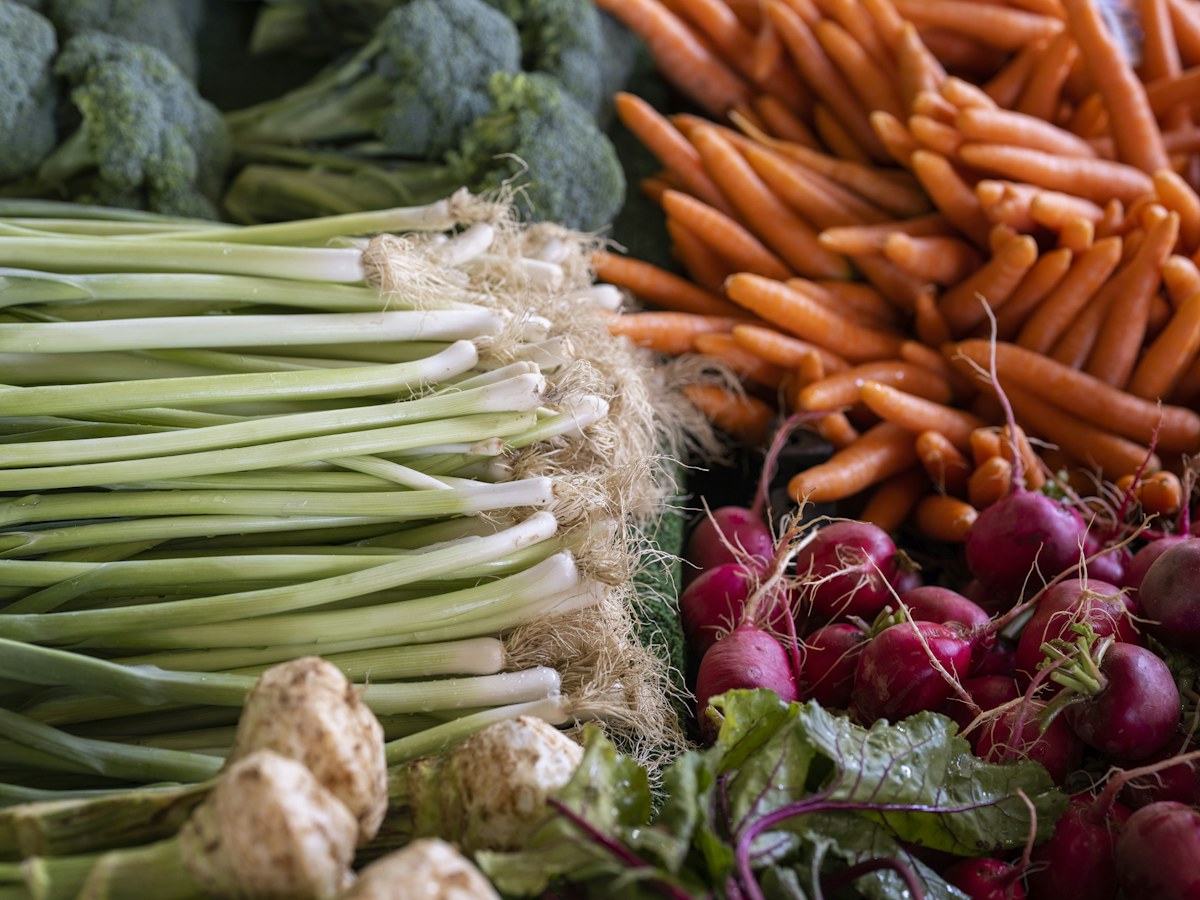
A leek that looks like a large scallion can hold a surprising amount of grit between its layers. The long stem is made of overlapping leaves. Soil caught near the place where those leaves open can travel onto the board as soon as you cut it. Choose a leek with a firm stem and leaves that still look sound. The white section gives the softest slices, while the pale green part can have more texture and a slightly stronger flavor.
Think about how you want the pieces to appear in the dish. A soup base can take thin half moons that soften into the broth. A piece of toast can hold long soft strips. A whole short section looks attractive on the plate but is harder to clean between the leaves. For the first trial, choose a cut that lets you inspect every part. You can keep a few long strips together and use the rest as smaller slices.
Use two medium leeks for a small skillet. Have a little butter or olive oil ready, along with fine salt and a small cup of water. A sharp knife, wide bowl, and clean towel are enough for preparing them. Set the clean plate for the cut leek near the sink so you have somewhere to move the pieces as soon as they are dry. Leaving washed slices in a puddle on the board gives the skillet extra water to handle.
Check the pale green end before shopping. It should feel firm under light pressure. A leek with a long pale section will give you more slices of similar texture.
Clean the layers according to the cut
Trim away the roots, leaving the stem together if you plan to split it lengthwise. Cut off the coarsest dark green tops. Inspect their inner surfaces. The firmest leaves can be saved for a stock if they are sound and cleaned thoroughly, but they will not soften like the pale stem during a short skillet cook. Slice the stem from top to bottom and open the layers slightly under cool running water.
Use your thumb to separate the leaves near the green end, where grit is likely to hide. Turn each half and let water move toward the outer ends. Shake it over the sink, then check a couple of inner layers again. If you are cooking long strips, dry the opened halves and slice them after rinsing. Move any strip that still shows dirt back to the water. The clean board should stay clear of the sections you removed.
For half moons, you can slice the leek first and separate the pieces in a bowl of clean cool water. Swish the slices briefly with your fingers so any grit can fall. Lift the leek out rather than pouring the bowl through a strainer. Pouring the water over the slices can return the grit that settled at the bottom. Look at the bowl after the first rinse. If there is much sediment, repeat with fresh water and dry the lifted pieces on a clean towel.
For a leek with a very long pale stem, clean the lower part and the open leaves separately. The tightly wrapped base often contains less grit than the area where the leaves spread. Cutting it into two sections lets you keep the clean end in long strips while giving the open end another rinse. Hold a section up to the light and check for a dark line near a fold. A line that moves under running water is probably loose soil and should wash away.
Use low heat and a small amount of moisture
Melt a knob of butter or warm a little oil over medium-low heat. Add the leek slices and a pinch of salt. Stir gently to coat them, then spread them across the skillet. They should soften without an immediate dark edge. If a few thin pieces begin to color while the rest are still firm, reduce the heat. A broad pan lets the slices lie in a shallow layer and makes them easier to move without breaking them.
Cover the skillet for a few minutes if the leeks seem dry or if the widest slices take time to soften. A spoonful of water can help by keeping the surfaces moist while the centers soften. Lift the lid after a short interval and stir from the bottom. If the pan now has more liquid than you need, finish uncovered. The amount depends on how wet the leeks were when they went in. Clean, well-dried slices often need only a little help.
Taste one from the center of the pan when the bright green has softened. The slice should yield under the spoon and taste sweet rather than raw. If the leek is for a soup that will simmer later, you can stop once it has softened and smells mellow. If it is for toast or another quick meal, cook until it can be eaten comfortably as it is. Larger strips may need a little more time than the thin slices at the edges.
Keep a pale base for soup or beans
When the leek will sit underneath other flavors, leave it pale. Add stock after the slices are tender and taste the liquid before adding more onion or garlic. A leek base may be strong enough by itself in a soup with potatoes or white beans. Add the rest of the ingredients according to how long they need to cook. The softened leek does not need to become a separate garnish unless you want its shape to be visible.
A spoonful of the cooked leek can also be added to an existing bowl of beans. Warm the beans with a little broth and fold the leeks through near the end. Taste the broth after they have had a minute to warm. Add salt, pepper, or a few drops of lemon as needed. A light vegetable stock can keep the bowl subtle. A strongly seasoned broth will cover the sweet character you developed by cooking the leeks gently.
If you want to purée a soup, save a small spoonful of the softened slices for the top before blending the rest. A few pieces give you a reminder of what the soup tastes like before it is all one texture. Chop them a little smaller if they are long enough to pull away from a spoon. Put them in the bowl at the table so they retain their shape and color.
You can use a small amount of pale leek as a filling for a baked potato. Drain any excess liquid from the skillet first, then spoon the leek onto the open potato while both are warm. Taste before adding butter. The soft leek may already carry enough fat to season a few bites. A handful of sharper greens beside the potato gives a different texture without forcing the filling to become more strongly seasoned.
Add color only where the dish can use it
For a toast topping, let the liquid cook away and give a few edges enough time to turn gold. Keep the skillet at a moderate setting and stay close. Leeks are thinner than many onion slices and can darken quickly once dry. Stop when the pieces smell sweet and a few tips have colored. Take them out promptly if the pan is heavy enough to keep cooking after the burner is off.
Spread the softened leeks across toasted bread and add a small piece of mild cheese if you want a fuller bite. Taste before adding lemon or mustard. The first bite can tell you whether the leek needs contrast or is already savory enough. If you want the bread crisp, serve it soon after topping it. Long wet strips can slide off the bread, so cut them into short pieces first and give them time to lose excess moisture in the pan.
An omelet can take the same leeks, but use only enough to allow the egg to fold. Warm the filling separately or have it ready at the stove before starting the eggs. A thin layer brings sweetness to several bites without leaving the center wet. If you are adding cheese, use a little at first and taste a few cooked slices with it. A sharply salted cheese can make the leek harder to notice.
Put the unused green sections where they can help
If you kept sound dark greens for stock, cut them into manageable lengths and rinse thoroughly between the layers. Simmer a small piece in a test pot if you have not used them before. They contribute a stronger flavor than the pale stem. Lift them out once the broth has the amount of leek you want. Larger pieces make this easier than a handful of tiny strips. A clean leaf can be useful in a stock without belonging in the finished bowl.
Check how much of the leek you actually used before buying the next batch. A wide pale section may give you plenty for two dishes. If you used mostly the dark ends for stock, pick a bunch for that purpose next time and use the pale stem in a separate meal. The useful lesson is which cut and level of heat made the leek taste the way you wanted. Once you can clean between the layers and recognize the point where the raw edge has softened, the same small skillet can serve several different dishes.