Buy the bean you want to see on the plate
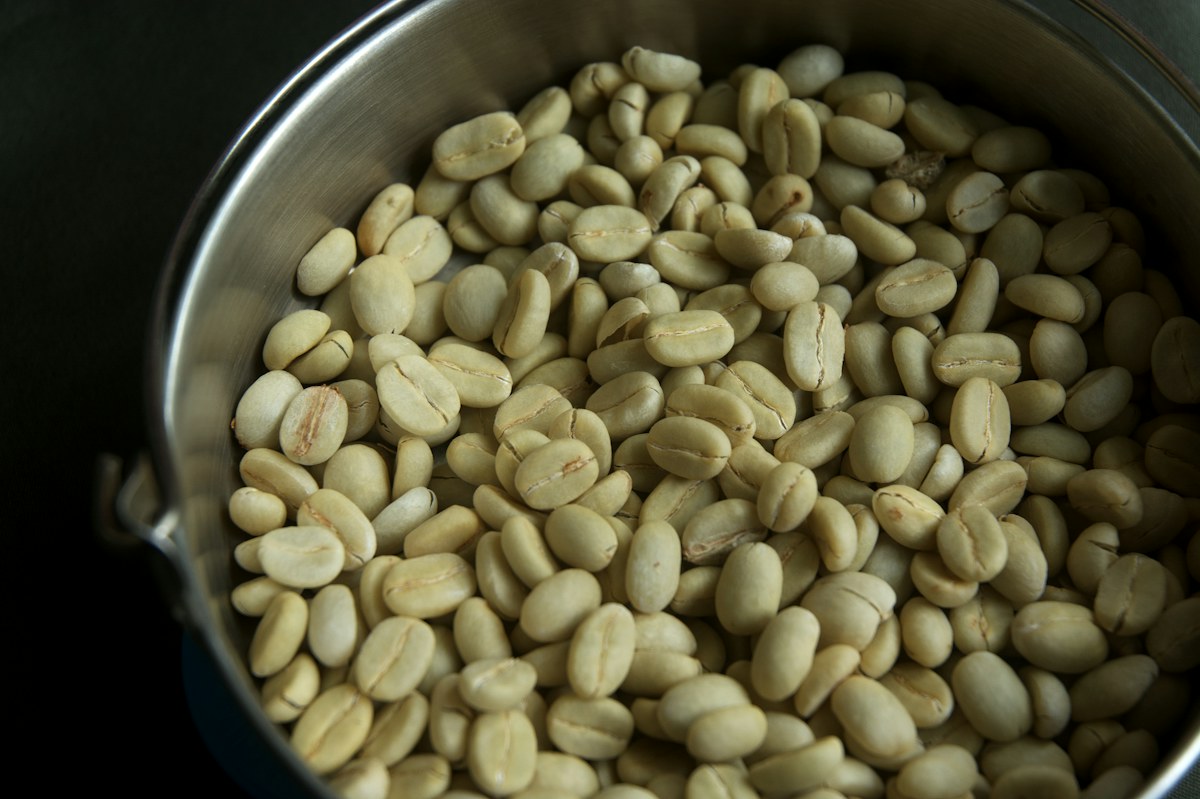
Choose dried navy beans, small white beans, or another white bean sold with clear cooking directions. The size determines what you notice in the bowl. A small navy bean is easy to scoop into a soup with several other ingredients. A larger white bean gives you a more substantial center and can be served with just a little of its own broth. Avoid mixing types in the same pot the first time. They may take different amounts of time to become tender.
Look at the package instructions before making a plan. Some products give specific soaking, boiling, and cooking directions. Follow those directions, especially any instructions for an initial boil. For beans that require an initial boil, a slow cooker should not substitute for that preparation. This method is for plain dried white beans prepared on the stovetop according to the instructions for the beans you bought. If the directions are unclear, consult a trusted food-safety source for the specific bean before cooking.
A cup of dried beans is a sensible starting batch. It is enough to divide across meals without filling a very large pot, and you can see how far it goes in your kitchen. You will need enough water to keep the beans submerged as they cook, along with a roomy saucepan and a spoon. Have a small bowl nearby for the beans you take out to test. A spoonful can tell you more about the state of the pot than a look at the surface.
Sort and rinse before choosing an aromatic
Spread the beans on a light-colored plate and look through them in a single layer. Pick out any grit, small stones, or damaged pieces. Rinse the remaining beans under cool running water. If the package calls for soaking, follow its timing, water, and temperature guidance. Drain and use fresh water for cooking as directed. A batch of beans that looks similar when dry can still have pieces that take longer than the others to soften. Sorting the batch makes it easier to see what you have.
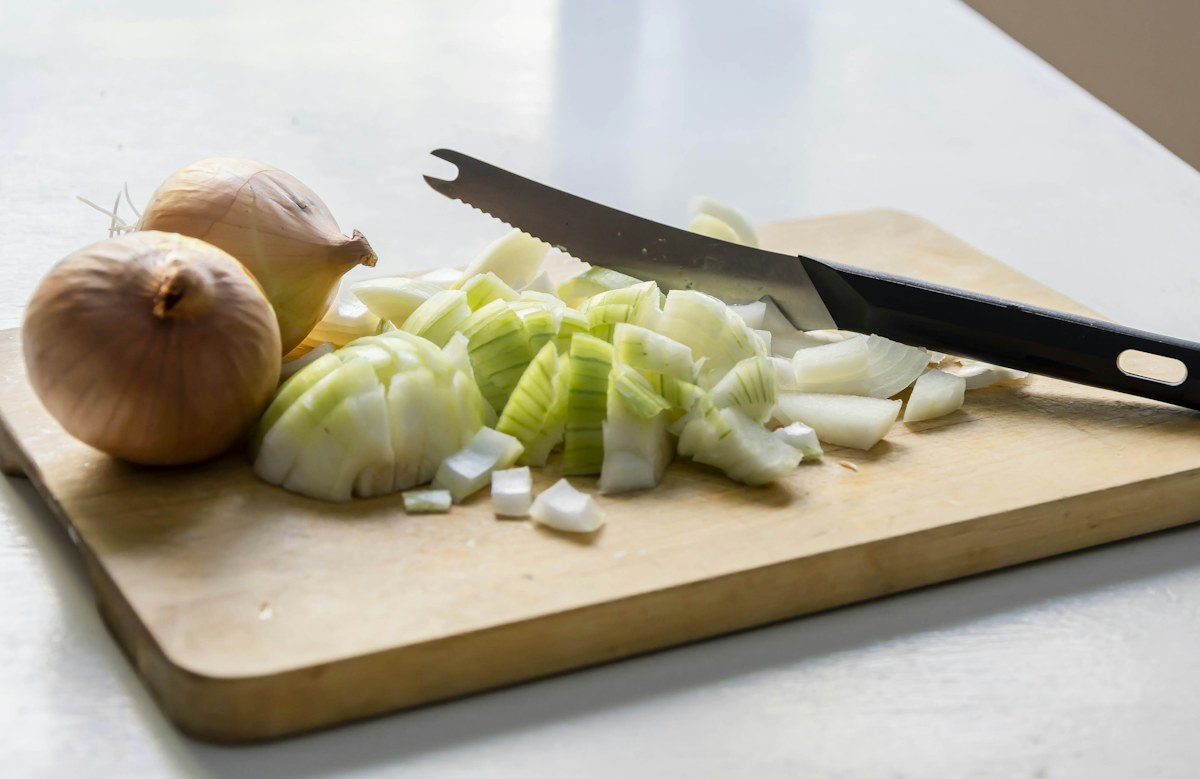
Add one simple aromatic once you have set up the cooking water. Half an onion can make the broth taste rounder. A whole bay leaf gives a quiet herbal flavor and is easy to remove before serving. A garlic clove can be useful if the beans will go into a savory skillet or be spread on toast. Choose one or two of those additions. A plain broth can go in more directions later than one that already tastes like a finished stew.
Leave tomato, vinegar, and citrus juice out until the beans are tender. Acidity can make them slower to soften, which is useful when you want to keep a cooked bean intact in a sauce but unhelpful while you are trying to cook its center. If you know the beans will go into a tomato dish, add the tomatoes to that dish later. Keep a little of the plain bean broth for loosening it once the flavors come together.
Watch the movement of the cooking water
After any boil required by the bean instructions, lower the heat to maintain a steady, gentle simmer. Small bubbles should rise without throwing beans around the pot. Vigorous motion can break up the skins before you have had time to check the centers. Leave the lid partly open so you can see the water level and keep the pot from boiling over. If the water gets low before the beans are ready, add enough hot water to keep them covered.
A thin layer of foam may collect near the top at first. You can skim it if it makes it difficult to see the broth. A little foam will not tell you whether the beans are almost ready. Look instead at the color and shape of the beans you test. Stir gently every so often to make sure nothing is sticking beneath the visible layer. Pay attention toward the end, when a partly reduced broth may thicken around beans that have started to soften.
Set the spoon across the bowl and leave the lid in a position that is easy to move. Taste a few beans from different parts of the pot once the suggested minimum cooking time has passed. Give them time to cool enough to taste safely. One bean may be soft while the next is still firm at the center. The batch is ready when several beans have the texture you are looking for, with no hard core remaining.
Decide how soft to make them by picturing their next use
For a salad, cook the beans until the centers are creamy and the skins still hold together when lifted. Remove them from the heat once the beans reach that point. They will continue to take up liquid while they sit in their broth, so give them a gentle stir and check again before dividing them. You can spread a tested spoonful on a plate to see how quickly the skins loosen as the beans cool.
For a spread, soup, or mashed bean topping, let the beans soften a little more. Some pieces may split and thicken the liquid. This makes a pleasant broth if you plan to serve the beans by the spoonful. If you want a thick spread, drain the cooked beans into a bowl and keep the broth aside. Mash a small portion first and add liquid by the spoonful until the texture is spreadable. It is easier to add broth than to remove it.
Season the cooked beans and broth before deciding whether they are finished. A small amount of salt can make the flavor more distinct. If you are unsure, put some beans and broth in a cup and season only that portion. Taste it next to a plain spoonful. If the next dish uses salty cheese or a strong sauce, keep the rest of the pot a little quieter. Take out the bay leaf or other whole aromatics before portioning.
Put the broth to work when dividing the batch
Give each portion enough beans to suit one meal. A container destined for soup can take more broth. A container for a salad may need only enough to keep the beans moist before draining. Set a clean measuring cup beside the cooled batch if you want to divide portions evenly. If you normally use a can in a recipe, think about how much cooked bean you usually get after draining it and use that as a practical portion size.
Cool and store the beans promptly according to local food-safety guidance. Use suitable shallow containers rather than leaving the full cooking pot to cool slowly. Label each container with the date, bean type, and any flavor added to the broth. For a freezer portion, use a freezer-safe container and allow space for expansion. Freeze a separate cup of broth if you have more than the beans need. It can loosen a soup or give a little body to a cooked grain.
Keep a bowl for the first meal and taste it in the simplest form. Warm beans with a little broth, olive oil, and black pepper can show whether you prefer their broth thin or slightly reduced. A piece of toasted bread can catch the liquid without adding much flavor of its own. Add a few drops of lemon just before serving if the broth feels heavy. Keeping that addition until the end makes it easier to taste what came from the beans themselves.
Change the finishing method with each meal
For a warm skillet dish, drain a portion and heat it gently with a spoonful of the reserved broth. A little chopped onion softened in oil can supply a base if you have time. Add tender greens near the end or use a small amount of cooked greens already in the refrigerator. Move the pan just enough to coat the beans. A hard stir can break more skins than you want.
For a salad, drain a portion thoroughly before adding dressing. White beans can take a little vinaigrette and chopped herbs without becoming complicated. Taste the beans after dressing them, then add crunchy vegetables or something briny if the plate needs a stronger contrast. Keep the first serving small enough to adjust on its own. If it turns out to need more acid, you can add lemon to the remaining portion as you serve it.
Note how long the batch took to become tender and what the water was doing. A new bag of beans may behave differently. The time is a reminder to begin checking rather than a promise that every batch will finish on schedule. The spoonful with a creamy center is the cue to keep. Once you know that texture, it is easier to decide which portion goes into dinner and which one can wait for another meal.
For a pot of vegetable soup, heat the vegetables in their own broth first, then add the cooked beans near the end. Use enough bean broth to carry their flavor through the soup without making it too thick. If the beans are especially soft, reserve a few for each bowl and spoon the soup over them. This keeps more beans intact and lets the person at the table see what kind you used.