Choose when the fruit will be eaten
An avocado for tonight and one for later in the week do not need the same feel at the store. A fruit that yields slightly to gentle pressure may be ready soon. A very firm one usually needs more time. The skin color is only part of the picture because varieties do not all darken in the same way. Use your whole hand to feel it lightly rather than pressing one spot with a thumb. Firm pressure can bruise the fruit while telling you little about the rest of the flesh.
Decide whether you want slices or mash. For distinct slices, choose a fruit that gives a little and still holds its shape. For a quick spread, you can use a softer sound fruit that will yield easily to a fork. Leave behind fruit with broad sunken areas or obvious spoilage. If you are buying more than one, pick different stages so that both are not ready on the same day. Put the firmer one where you can see and check it instead of discovering it behind other groceries.
Let a firm fruit ripen at room temperature if that suits the variety and seller's guidance. Check it daily as it approaches the stage you want. Refrigerate a ripe fruit if appropriate when you need to slow it down. Cut it only when the rest of the dish is nearly ready. That gives the exposed surface less time to darken and lets you handle the pieces once instead of moving them several times between bowls.
Open it on the board instead of holding it in the air
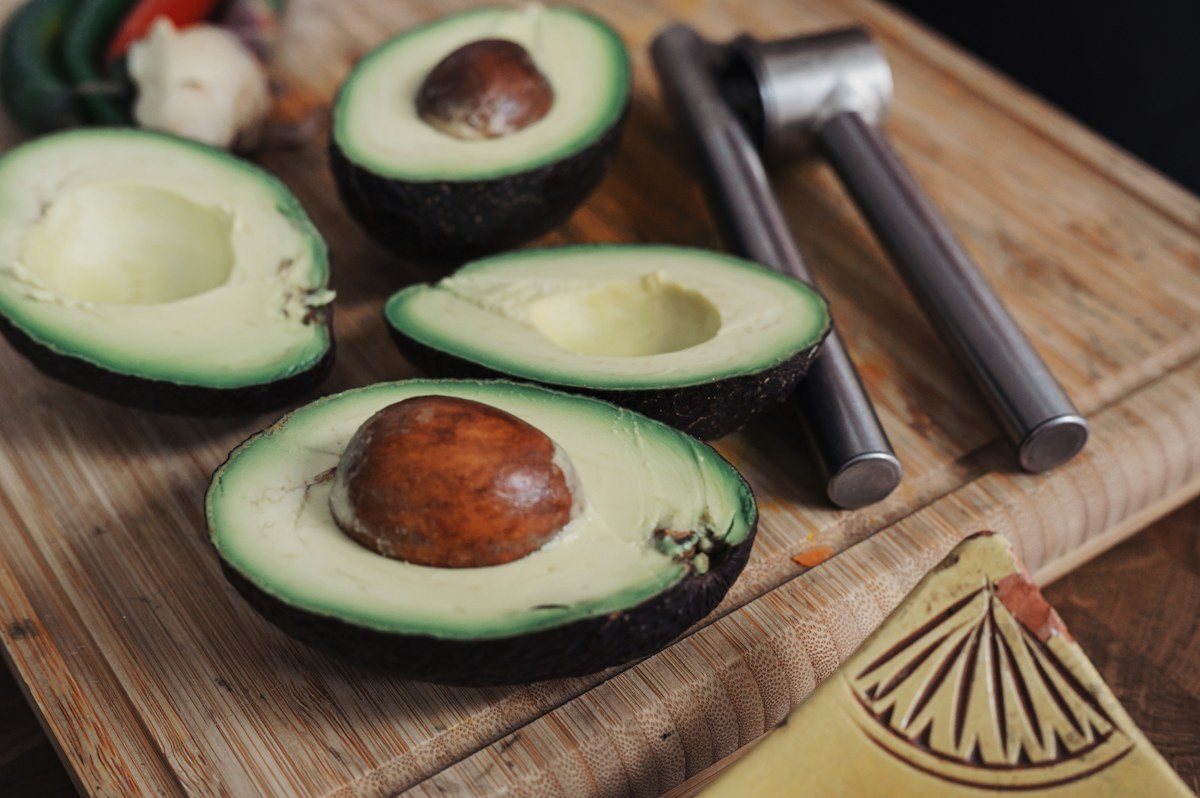
Wash the outside under running water and dry it before cutting. A knife can carry material from the surface into the flesh as it passes through. Put the avocado on a stable board and hold it from the side with your fingers clear of the blade. Cut lengthwise until the knife reaches the pit. Turn the fruit against the board and continue carefully around the pit. Use the same cut line so the halves separate cleanly when you twist them.
Open the halves with a gentle turn. Put the half with the pit back on the board. Use a spoon to ease the pit out rather than striking it with the knife. A spoon can get under the edge and lift it without bringing a blade toward the hand. If the fruit is very firm and the pit will not release, slice the half again around the pit and take out the pieces carefully. It may be too firm for the dish you planned, but you can still see which parts are sound.
Look at the cut flesh before choosing the preparation. A bruise can be cut away when appropriate, but discard spoiled fruit. If the flesh looks good and the center is firm, use slices. If it is very soft but sound, a mash will give it a better role. Leave the skin on while you decide whether to lift the whole half out or scoop the flesh directly into a bowl. Both are easier when the fruit has a place to rest.
Slice for the surface the avocado will sit on
For clean slices, slip a spoon between the flesh and skin and lift out a half. Put it cut-side down on the board and cut lengthwise into pieces. The slices can fan out across toast or sit beside a salad. A very thin slice can break if the fruit is soft. Use a slightly thicker cut when the avocado is going into a sandwich and needs to survive being lifted. Leave the thinnest pieces for a place where you can slide them off the knife or spoon without bending them.
If you want cubes, cut the lifted half into strips and then across. Keep the chunks large enough to recognize after stirring. A soft avocado will begin to spread into a dressing if you turn it hard. For a grain bowl, add it near the end and move it gently. For a salad with crisp leaves, put the cubes on top after the rest has been tossed. That gives the avocado a clear texture without mixing it through every part of the bowl.
Add a small pinch of salt only after tasting a piece. A ripe avocado can feel rich and mild. A few drops of lemon or lime can brighten it, but the amount depends on what it will accompany. Try it with a piece of the bread, grain, or vegetable before squeezing citrus over everything. If the rest of the dish already has a tart dressing, use a little zest or leave the avocado plain.
If you are taking slices to a table where people will build their own meals, keep them fairly thick. Lift them in groups rather than moving each one with a fork. A thin sheet of fruit can fold over itself and become hard to separate. Put a spoonful of plain slices on one side and a few with lemon on the other. That small comparison works especially well when the filling itself already contains an acidic ingredient.
Mash the softer half just enough to spread
Scoop the flesh into a shallow bowl and press it with a fork. Work around the bowl rather than blending it until smooth. Leave a few small pieces if you want the spread to taste like a cut avocado rather than a purée. Add a pinch of salt and a few drops of lemon or lime. Taste before adding more. It should be easy to spread without running off the spoon.
If you want a little bite, add a small amount of very finely chopped onion or chopped herb. Taste that mixture in one corner of the bowl first. A large amount of raw onion can hide the avocado and leave a sharp finish. Chopped herbs can make it taste brighter without much additional liquid. If the avocado is going under a strongly flavored topping, a plain mash may fit better than a second layer of seasoning.
Spread it onto toast close to eating. Use enough to hold any crisp topping but leave the edge of the bread clear so it is easy to pick up. A mash can also sit beside a bowl of beans. Give it its own space instead of stirring it in completely. Taste the first bite with the beans and decide whether more acid belongs on the avocado or in the rest of the dish.
For a richer spoonful without a spread, put diced avocado beside a warm cooked grain and leave the pieces on top. A cold fruit can cool a small portion quickly. If you want the grain warm, season it first and bring the avocado to the table separately. Taste one bite with both before adding anything more. The avocado can make the grain feel complete without changing the texture of the entire bowl.
Keep the remaining half only if you have a plan for it
If you have cut more than you need, store it promptly according to appropriate food-handling guidance. Refrigerate the unused portion in a clean covered container. Reducing air contact can slow surface discoloration, but do not use browning as the only sign of whether a cut fruit is safe. Follow local guidance and discard it if the handling is uncertain or the fruit shows spoilage. It is often easiest to cut one fruit for a meal you know will use most of it.
A few drops of citrus may help slow discoloration and add flavor, but choose the amount based on how the next serving will taste. Do not cover a half in a large amount of juice when you would rather eat it plain tomorrow. Cover it directly in a suitable way and leave any stronger seasoning for the next meal. A browned outer layer can change appearance before you taste it. Check what remains with the same care you used when you first opened it.
If there is only a spoonful left, use it now as part of a salad or spread rather than saving a small container you may forget. Add it to one serving and compare it with a plain bite. A little avocado can give a dry grain or a crisp vegetable enough richness without needing much dressing. The smaller portion works best where you can taste it instead of mixing it into a large bowl.
When the fruit will be shared, check its size against the number of portions you need. A smaller fruit can be enough for a single layer on four pieces of toast. A larger one may give you enough to slice part and mash the rest. Decide before cutting all of it so you have somewhere for each portion to go.
Notice which stage of ripeness suited the meal
A fruit that cut cleanly and stayed distinct on the plate may be the right kind to buy for salads. One that spread easily with a fork may work better on toast. Write down whether you bought it ready to eat or waited a day or two. Keep that observation with the variety if it was named. The next shopping trip will be easier when you know the texture you are choosing rather than looking only at color.