Give each part of the fruit a job
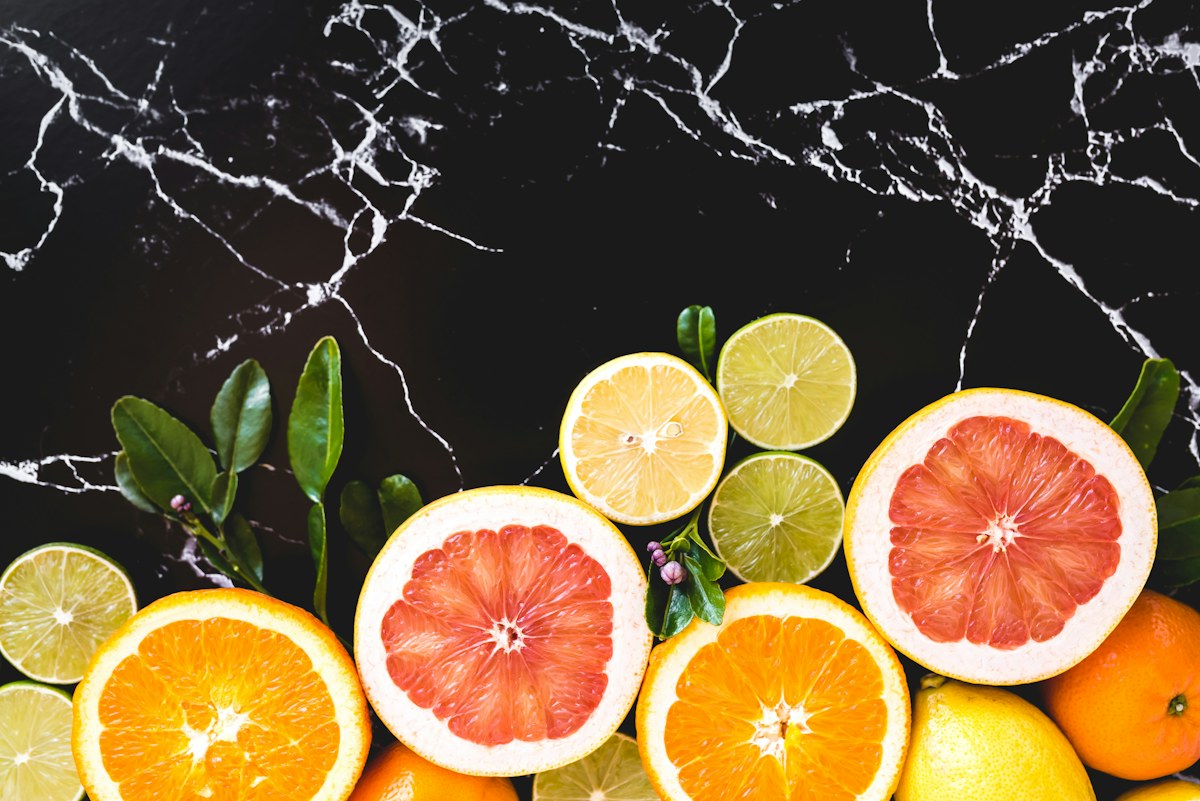
A lemon gives a bright scent when you grate its outer skin and a sharp liquid when you squeeze it. An orange can give both of those things and also supply sweet segments that stay distinct in a salad. Treat those parts as separate ingredients. A dish that already has enough liquid may only need a little zest. A plate of leaves can benefit from the juice inside a cut piece of fruit without needing another splash from a bottle.
Choose a fruit that makes sense for the dish. A lime can give a stronger fragrance in a small amount. An orange is useful when you want a mild sweetness and something substantial to put on a fork. A lemon can sharpen a sauce before serving. Taste the fruit you have instead of assuming that every example will behave like the one named in a recipe. A sweet orange and a tart orange can lead the same dressing in very different directions.
Wash the fruit under running water and dry it before cutting or grating. Get a small plate for the zest, a bowl for the juice, and a cutting board with room for the segments. You can collect all three from one fruit if you work in that order. Once a fruit is cut open, it becomes harder to hold steadily for grating. Once you have removed the peel for segments, you no longer have an intact surface to grate.
Take the thinnest layer of zest you need
Use a fine grater or a suitable zester. Hold the fruit firmly and move it lightly across the blade. Rotate it after each pass. Stop in a patch when the bright surface gives way to white. That pale layer can taste bitter and does not supply the same aroma. If you need wide strips for a warm drink or syrup, use a vegetable peeler with control and trim away any thick white layer from the back of the strip.
Set the grated zest down in a small loose pile. Smell it before you decide how much to add. A small pinch can change a finished sauce immediately, especially when there is little else in it. Stir it into a spoonful first or put it across one serving. If you use it in a baked mixture, rubbing it briefly into the sugar can distribute the oils more evenly. In a savory dish, oil, butter, or yogurt can carry the scent through the bite.
Save a little fresh zest for the table if you want the citrus to be noticeable as soon as the dish arrives. A sauce cooked for a long time can still taste of lemon, but it may lose some of the scent released by a freshly cut peel. Taste the same food with and without the final pinch. If the juice has already brought enough citrus character, leave the extra zest on the side rather than covering every serving.
Collect the juice without committing the whole dish
Cut the fruit across the middle and squeeze into a separate bowl. Use a small strainer or remove any seeds with a spoon. Collect the juice before deciding how much to use. A half lemon can produce more than a recipe needs, especially when it is very ripe. A separate bowl gives you control and keeps a seed from disappearing into a dark sauce.
Start with a teaspoon or a few drops, depending on the quantity of food. Taste a bite of the dish before and after you add it. Fresh juice can make a creamy food taste lighter or bring a plain grain into focus. Too much may overwhelm everything you cooked earlier. If the dish already contains tomato, vinegar, pickled vegetables, or tart dairy, check how sharp it is before adding more citrus.
For a sauce served hot, add the final juice after you have turned down or removed the heat when that suits the recipe. This makes it easy to taste and adjust immediately. If the sauce contains dairy, try the addition in a small spoonful first to see what it does to the texture. A few drops squeezed onto the finished plate can give a sharper sensation than the same amount mixed into the entire pan. Choose whichever part of the meal you want to brighten.
If you need only a small amount of juice, cut the fruit in half and squeeze one side. Set the unsqueezed half aside promptly for another use. A spoon makes it easy to press the juice from a single wedge into a little bowl without a large press. For a recipe where precision matters, measure after straining rather than estimating by the number of fruits. Fruit size can tell you how much to buy, but the useful measurement is the amount actually available once the seeds and loose pulp have been removed.
Cut segments when you want citrus to hold its place
For an orange or grapefruit served in a salad, decide whether you want sturdy pieces or softer ones without their membranes. Peeled wedges are easy to separate and can stay intact while you toss the rest of the salad. Segments cut away from the membranes have a softer texture and release juice more readily. They are useful when you want the citrus to blend into a spoonful without a fibrous layer.
To cut away membranes, trim a thin slice from the top and bottom so the fruit can stand securely. Use a sharp knife to follow the curve from top to bottom, removing the peel and thick white layer without cutting too far into the fruit. Work on a steady board. Hold the peeled fruit over a bowl or set it on the board and cut carefully along each membrane, keeping the knife away from your hand. Lift out the pieces and let the bowl catch any juice.
Taste a piece before adding all the segments to the plate. A sweet orange may work best beside sharper leaves or a lightly seasoned grain. A bitter grapefruit can be more noticeable beside a creamy ingredient. Consider grapefruit and medication interactions where relevant and follow guidance for any medicines you take. An orange can give a different flavor without needing the same bitter edge. Leave a few segments separate so you can see whether the dressing helped them or whether they were better on their own.
If the fruit will travel in a packed lunch, separate the pieces without cutting away all of their membranes. Intact wedges are easier to carry and keep their juices in place until you eat them. A little container of dressed segments can still work if you want their juice as part of the lunch. Leave them apart from crisp bread or greens until serving, and store the cut fruit according to suitable food-safety guidance.
Build a dish from two citrus textures
Try orange pieces with a little grated zest and a mild oil on a bowl of sliced fennel or plain cooked grain. Taste the fruit first. If it is sweet, a few drops of lemon can sharpen the base without changing the orange itself. If it is quite tart, add only enough oil and salt to connect the ingredients. Let the whole bowl sit briefly if you want juice to reach the grain. Serve immediately if the vegetables should stay crisp.
For a richer plate, use lemon juice in a small yogurt sauce and grate a little zest onto the roasted vegetables. This gives the cool sauce acidity and leaves the warm vegetables with a brighter smell. Keep some plain yogurt nearby while testing the sauce. If it is already tangy, use less juice or add only zest there as well. Taste the sauce with a piece of the vegetable before finishing the whole tray.
A simple dessert can use orange segments as the main texture and a little lime zest as a garnish. Try it on one piece first. A strongly fragrant lime can make orange taste less distinct if it covers all the fruit. Let the fruit remain in large enough pieces that the difference is clear. If it has released juice, spoon some into the bowl or serve it separately depending on how much you want the other ingredients to soften.
Use the part that remains before you cut another fruit
Keep any unused cut fruit or juice appropriately covered and chilled according to food-safety guidance. Use it in a dish where you can taste it clearly rather than squeezing more fruit immediately. A little juice can finish a single bowl of soup. A piece of fruit can go into breakfast. If you use most of the zest and need only a few drops of juice, plan a serving where the flesh will still be useful.
Notice which part of the fruit made the largest difference. In a rich sauce it may be a teaspoon of juice. In a mild bowl of grains it may be the scent of freshly grated zest. A salad can use a whole segment without needing either of the other parts. Keep the jobs separate while you taste. That makes it easier to use the amount of citrus the dish calls for, even when the fruit itself tastes different from last time.