Begin with a few walnuts you would eat plain
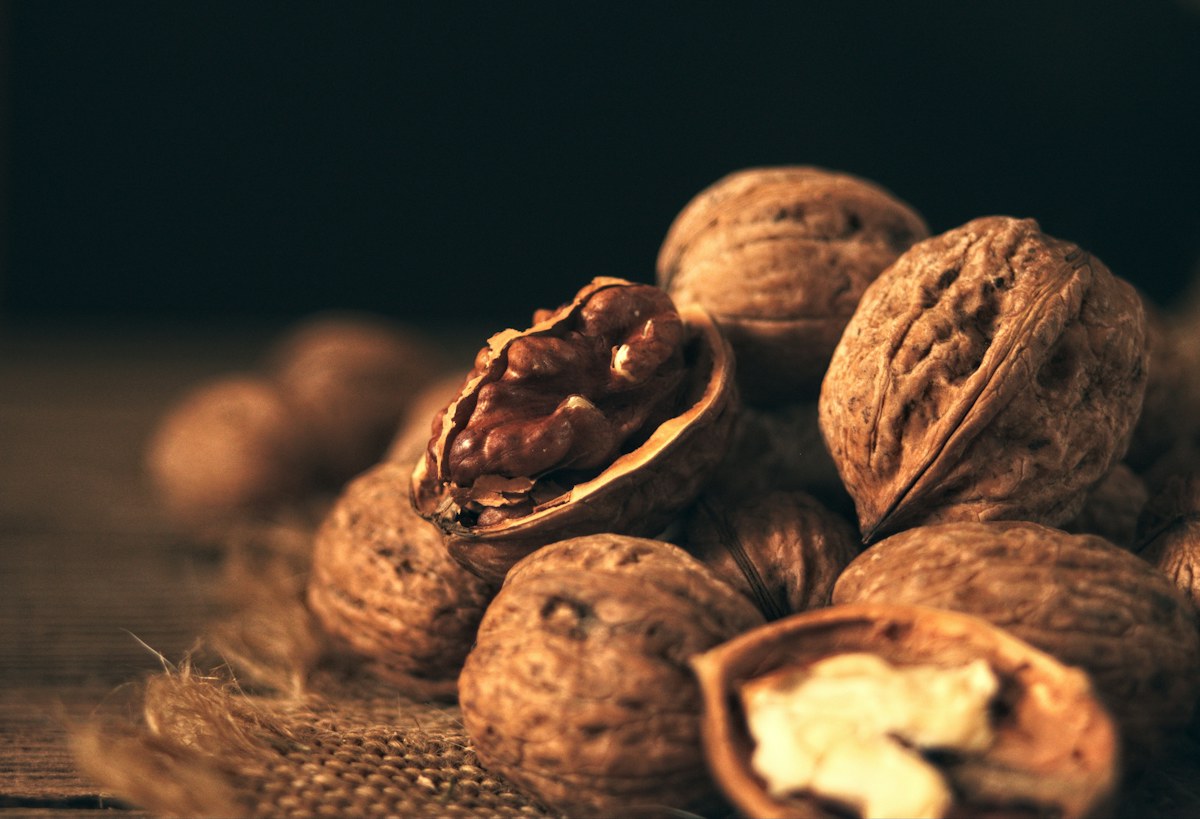
A walnut can taste faintly sweet, slightly bitter, or stale before it ever reaches the pan. Taste one from the bag first if you can safely eat walnuts. If it has a stale or unpleasant flavor, toasting will not turn it into a better topping. Start with sound kernels that taste clean. Use halves when possible for the first comparison. Small pieces toast more quickly than halves, which can make a mixed bag harder to judge.
Set out a small handful and separate the largest halves from the loose fragments. A quarter cup is enough for two or three bowls of salad, depending on how much texture you want. You can toast only part of it and keep the rest plain. Choose a dry skillet or a small rimmed tray and have a clean plate ready to catch the nuts as soon as they are finished. Leaving them on hot metal keeps changing the result after you have decided to stop.
Check who will eat the salad before bringing walnuts into the preparation area. Tree nuts are a common food allergen, and people who avoid them may need separate preparation and utensils rather than a bowl from which nuts have been picked out. Use a different suitable crisp topping if needed and check labels for other ingredients. Keeping walnuts separate also makes it easy for someone to add only the amount they want.
Use a skillet for a small amount you can watch
Set a dry skillet over a moderate heat appropriate for the pan. Add the walnut halves in one layer and listen and smell as they warm. Turn them occasionally with a suitable spoon or shake the pan gently if you can control it. Inspect the cut faces. Their color may only deepen slightly. A warm, toasted smell is often a better early sign than waiting for the outside to turn very dark.
Add any small pieces later or toast them separately. A fragment with a lot of exposed surface can scorch while the biggest half is still pale. Move the pan away from the burner if some nuts are darkening quickly. Take a half out, let it cool briefly, and break it open. It should smell warmer and have a little more crispness than the plain sample. The texture becomes clearer after it cools, so do not chase crispness by keeping every piece on the pan until it feels dry while hot.
Tip the nuts onto the clean plate as soon as they smell toasted. Spread them out rather than leaving them in a small pile. A warm skillet can make the side touching it darker even after the heat is off. Pick out any very dark fragment when the nuts are cool enough to handle, then taste a whole piece. If the batch has a strong bitter edge, toast for less time or use a gentler heat on the next trial.
Use the oven when you want more room
For a larger amount, heat the oven to 325°F or about 165°C and use a shallow rimmed tray. Arrange the walnut halves in one layer. Give the biggest pieces a little space and keep the finest fragments apart. Place the tray where you can see it easily. Begin checking after about five minutes. Oven and tray temperatures vary enough that a close look matters more than a precise total time.
Turn or stir the nuts once if the bottom edges are coloring first. Look for a mild darkening and smell them carefully when you open the door. If one area of the tray is hotter, move the pale pieces toward it or rotate the tray once. Take the nuts out once they smell toasted and spread them onto a cool plate. For a few uneven pieces, remove the darkest first and return the paler ones briefly only if you want a more even result.
Taste the oven sample and the skillet sample after they both cool. A skillet can give a little more concentrated color on some sides, while an oven may warm a larger group more evenly. Either can be right for a salad. Keep the method that suits the amount you normally need. A handful prepared just before dinner might take less attention in a skillet than heating a whole oven. A bigger batch may be easier to manage on the tray.
An oven that has just finished roasting vegetables may be hotter than the setting you need for the nuts. Let it reach the lower temperature before you put the tray in. If you have only a few nuts, it may be easier to use the skillet while the vegetables rest. Keep their landing plate close and set a timer before you turn back to the other dish. The nuts can smell done by the time you are ready to make the salad.
Chop after toasting and choose the size for the bowl
Wait until the nuts cool before chopping. Use a steady cutting board and a sharp knife. Cut a few large halves into rough quarters for a salad with broad leaves. For a salad of finely chopped vegetables, chop a little smaller so each forkful can carry a piece. Very fine crumbs will travel into the dressing and give flavor without an obvious crunch. Save those crumbs for a different use or sprinkle a little in one area instead of covering the entire bowl.
Try one of the big pieces with a leaf. If it dominates the bite, cut the next handful smaller. If the topping disappears when you mix it, reserve a few quarters for the top. Put the nuts on shortly before serving. Dressing and moist ingredients can soften their surfaces, particularly when they are chopped fine. A few visible pieces let you choose which forkfuls have the strongest toasted flavor.
A quick way to compare is to put plain nuts on one side of a small bowl and toasted ones on the other. Use the same greens and dressing in both bites. If the toasted flavor tastes heavy with the dressing, try a smaller amount or a lighter toast. If it makes the bowl taste complete, you may not need an extra strong cheese or another topping. Let the greens and the dressing decide what the nuts need to do.
For a simple tasting, put three pieces on a plain plate and taste a raw half, a lightly toasted one, and the darkest sound piece. Take a sip of water between them. The light one may be enough for a mild salad. Keep the darker nut for a stronger dish if you like its flavor but find it too pronounced on a plain leaf.
Match the rest of the salad to the toasted flavor
Walnuts work well with a crisp apple or pear when you want sweetness next to the slightly bitter skin. Cut the fruit so it is easy to lift with a piece of walnut. A mild dressing can let both flavors show. Taste a piece of the fruit first. If it is very sweet, a little more lemon can make the combination livelier. If it is tart, use less acid and let the walnut add depth.
For a warm grain salad, keep the walnuts dry until the rest is ready. Add the dressing to the grain and taste it before sprinkling the nuts. A little oil from the walnuts can make a heavily dressed bowl feel rich. Use a smaller amount of dressing when you know there will be a generous topping. If you have chopped herbs, try those in a spoonful first rather than putting them across both the walnuts and grain at once.
Another good place for a toasted walnut is beside a roasted vegetable that has become quite sweet. Put a few pieces across the surface where they can be tasted separately. A small amount of citrus zest or fresh herb can make the bowl feel brighter without adding more liquid. If the vegetable already has a dark browned face, use the nuts more lightly. The two roasted flavors can be good together in a few bites rather than in every bite.
If you made both a coarse and a fine chop, try the finer crumbs in a spoonful of dressing before putting them over the whole bowl. They can give the dressing a slight body and a roasted flavor. A coarse quarter works better when the purpose is crunch. Keep the two textures apart on the board while you decide. If you only want one, use the second portion on toast or with a bowl of cooked vegetables where its size is easier to notice.
Store enough for the way you use them
Cool the toasted nuts completely before putting them in a clean container suitable for the product. Follow the package guidance for storage. Label the container and keep it apart from other ingredients if that is needed for allergy management. If you only use them occasionally, toast a smaller amount so you can use it while the flavor is fresh. Taste one again before using it in another meal.
Remember which stage gave you a clear smell without harshness. A walnut that still tastes of itself and has a clean toasted edge can do enough with a small quantity. Keep the rest of the bowl simple and let the topping add texture where it is easy to notice.