Take a lap before filling the bag
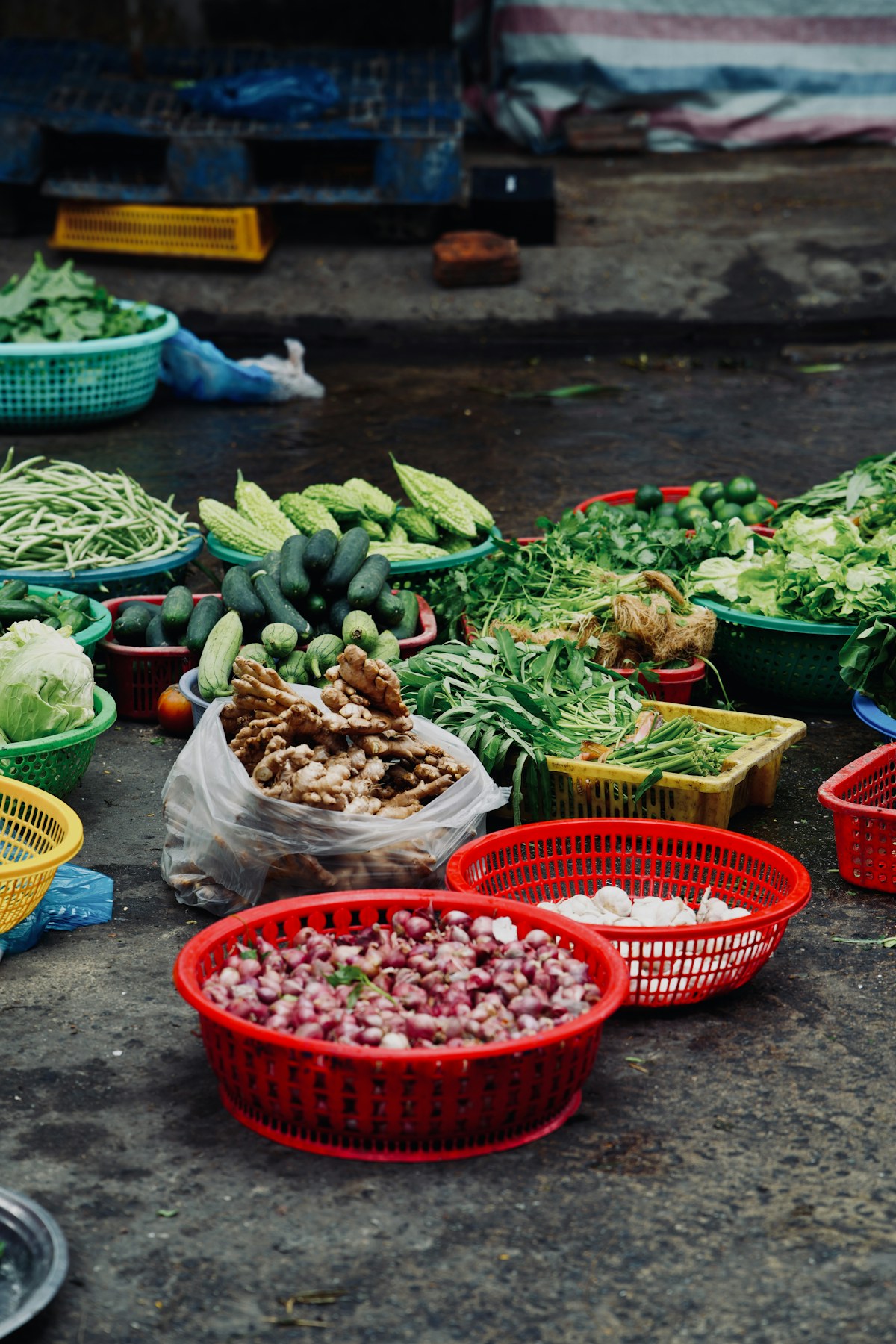
A produce market is a good place to leave some decisions open. A specific shopping list can send you looking for peppers when the best thing on the table is a stack of fennel bulbs. Go with a rough idea of the meals you will cook and with room to change the ingredients. A plan that starts with something leafy, something sturdy, and one vegetable you are keen to try can cover several dinners without predicting every dish.
Look over the stalls once before you buy, especially at a market you have never visited. This first lap can be short. Notice which produce appears several times and which shows up only at one table. Check whether greens are sold by the bunch or the pound and look at how large an average bunch is. A bag that can hold a big head of cabbage may already feel full once you add carrots and a loaf of bread.
Choose your most delicate purchase near the end if it will be a long walk home. A handful of soft herbs is easier to protect when the heavier things are already packed. Take a small bag for anything that can bruise. If you have only one tote, put sturdy roots in first, then give tender leaves a layer where they can lie flat. Plan to carry the loaf separately if it would otherwise be compressed by the produce.
Ask about a specific meal
A question about what tastes best right now is a reasonable opening, but a more specific question usually gets a more practical answer. If you want something that can go in a quick skillet after work, say so. Ask whether the greens have a tender stalk you can cook or a woody one better removed. If the tomatoes will sit on the counter until a meal several days away, ask which ones will be ready then. A vendor who sees the produce every day can often distinguish between two similar-looking options.
At a stall that offers unfamiliar ingredients, ask how the seller usually prepares one. Keep the question short when the market is busy. An answer such as slicing it very thin or cooking the stems first gives you a place to start. It can also reveal that the portion on display is larger than you want. Ask whether the item can be bought by weight, or choose a smaller piece if there is one.
Markets have different habits. In some places you select produce and bring it to a scale. In others the seller picks it for you, especially where fruit bruises easily. Look at what the customer ahead of you does or ask before handling several pieces. A vendor can help choose two fruits at different stages of ripeness, which is harder to do when you are trying to guess from color alone. There is no need to squeeze every fruit on the table.
Buy one thing for tonight and one for later
The most useful distinction in a market bag is between produce that needs attention soon and produce that can wait. Tender herbs, soft ripe fruit, and delicate greens tend to shape the first meal. A compact head of cabbage or a bag of carrots gives you more time. If you know the next few nights will be busy, let the firm produce make up more of what you buy. One nice bunch of greens is enough if you have a clear evening to cook it.
Picture the first meal as you shop. A bunch of chard could go into a pan with garlic and white beans from the pantry. A firm head of cabbage could be sliced for a salad the next day and roasted in wedges later. If the first purchase is a basket of ripe tomatoes, choose another vegetable you can use after the tomatoes are gone. Thinking in order makes it easier to leave a tempting second basket for the next trip.
Buy enough of any new vegetable to try the preparation you discussed, and remember that an untrimmed bunch may shrink or leave stems. Ask how much one bunch usually yields. Some cooking greens collapse into a modest side dish. A dense cabbage makes several meals when sliced finely. Use the expected edible portion and the number of meals you will really cook to decide how much to carry away.
Check the cost per pound or kilogram before judging two baskets by their sticker prices. A larger basket may be a good choice if you have time to cook it, while two pieces from a loose display can suit a small household better. Compare edible portions too. A bunch of young carrots with leafy tops weighs more than a handful of trimmed carrots. If you only need enough to make a side dish, choose the amount that fits the meal.
Look for an ingredient that connects two meals
An ingredient that works in several different roles is especially useful. Scallions can go into an omelet in the morning and onto a rice bowl later. A lemon can dress sliced vegetables and finish a pan of cooked greens. Fennel fronds can make a simple garnish for beans, while the bulb can be shaved for salad or softened in a skillet. These connections let a shopping trip turn into a handful of meals without needing a separate bag for each one.
Choose a thread that already suits your cupboard. If you have lentils, oil, and vinegar at home, mustard greens or carrots can turn them into a warm meal. If there is a pot of plain cooked grain to use, pick something that can go across the top with a bright dressing. A bunch of herbs is useful when it serves two real dishes. Buying three herbs because all three look good makes the finishing ingredients harder to use before they lose their flavor.
A versatile purchase can also change its texture across meals. On the first day, slice radishes and eat them with salt and butter. Use a second handful cut into quarters in a pan, where their sharpness softens. If you buy an ingredient you have never cooked before, try a small amount plain first. A simple taste can tell you more about what to pair it with than a long list of possible recipes.
Unpack for the next meal while the choices are fresh
At home, clear one part of the counter and take everything out. Separate tender ingredients from the sturdy ones and look for a leaf or fruit that was crushed on the way. Use anything sound but bruised sooner if appropriate for the dish. Discard spoiled produce. Follow storage guidance suited to the ingredient, since a dry onion, a bunch of herbs, and ripe fruit need different conditions. A temporary spot in the shopping bag is easy to overlook once dinner begins.
Write down the first two uses in a place you will see. They can be as simple as greens with beans tonight and carrots in soup tomorrow. Keep the list short enough that it can change if work runs late or someone else cooks. Any produce you have not assigned can be seen again when you open the refrigerator or choose the next meal. This is a meal order, not a schedule that needs to be completed exactly.
If one ingredient is already familiar, clean or trim enough for the first meal. Leave the rest whole when that suits its storage. An unfamiliar ingredient is worth examining before you start heating the pan. Open the leaves to see whether there is a tougher layer, taste a small piece raw only when the vegetable is normally eaten that way, and check the method again if you are unsure. Clear the counter before doing the first prep so nothing delicate is buried under the chopping board.
Take one observation back to the market
When the produce is used up, remember one thing that worked. Maybe you liked the thin leaves on a certain bunch of kale because they could be sliced straight into a pan. Maybe a large onion went farther than expected because you only used a quarter at a time. A note about quantity or preparation is worth more than trying to remember the whole week's menu. It gives the next market trip a starting point.
You can also bring a question back to the seller. If the stalk stayed firm after the leaves softened, ask how they cook the thicker part. If you bought a variety that was particularly sweet roasted, ask whether it will be available again next week. The answer may change with the season. A short conversation rooted in something you actually cooked makes it easier to choose again and gives the stallholder a specific question to answer.
Before the next trip, check which cupboard staples remain. If you have used the last of the beans, you may want to pick up lentils or bread elsewhere. A market bag tends to work best as a set of ingredients that meets the kitchen you already have. Once you are home with it, put the most delicate purchase where you can see it, start with the meal that fits the evening, and let the next meal follow from what is still good.