Put the kettle on for two small cups
You can learn quite a lot about a tea without buying a second kind. Brew the same leaves twice and change only one detail. A minute longer in the water can make a particular tea feel fuller or leave a drying finish. A slightly cooler brew might make an aroma easier to notice. Which difference matters depends on the leaves and on how you like to drink them. The comparison is a way to discover both without making a full pot each time.
Choose a plain tea whose package gives preparation directions. A simple black or green tea is useful because its flavor does not have to compete with a large amount of spice or fruit. Loose leaves give you a clear view of how much goes in. Two bags from the same package are easier when you do not want to measure small quantities. Use small cups of equal size and two strainers or bags, so that both samples can be stopped at exactly the moment you choose.
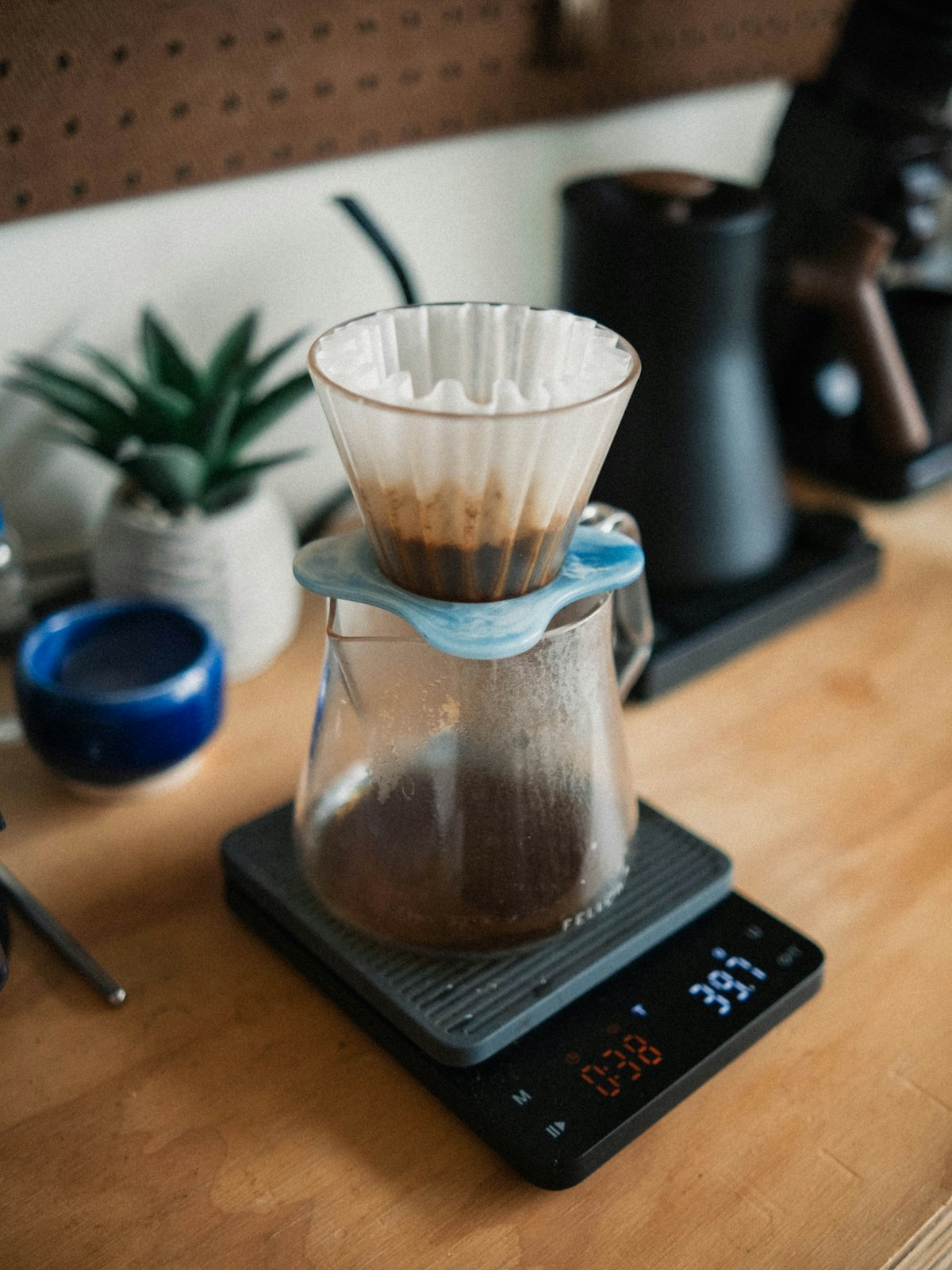
Start with the package method. If the directions say to use one bag for a cup, make two normal cups and pour only a little of each into tasting cups if you prefer. For loose tea, weigh or measure equal amounts and use the same quantity of water in both. A scale helps with fine broken leaves that pack differently from large ones. Keep the water from one kettle so that its mineral character and starting temperature are the same.
Give the shorter cup a place to wait
For the first trial, change the time. Heat the water as directed and put the tea in two identical cups or small pots. Start a timer as soon as the water goes in. Remove the first bag or strainer at the low end of the suggested range. Leave the second for another half minute or minute, depending on the tea and its usual brewing time. Keep a note of what you did. A spare saucer under each strainer prevents the bag from dripping into the wrong cup while you taste.
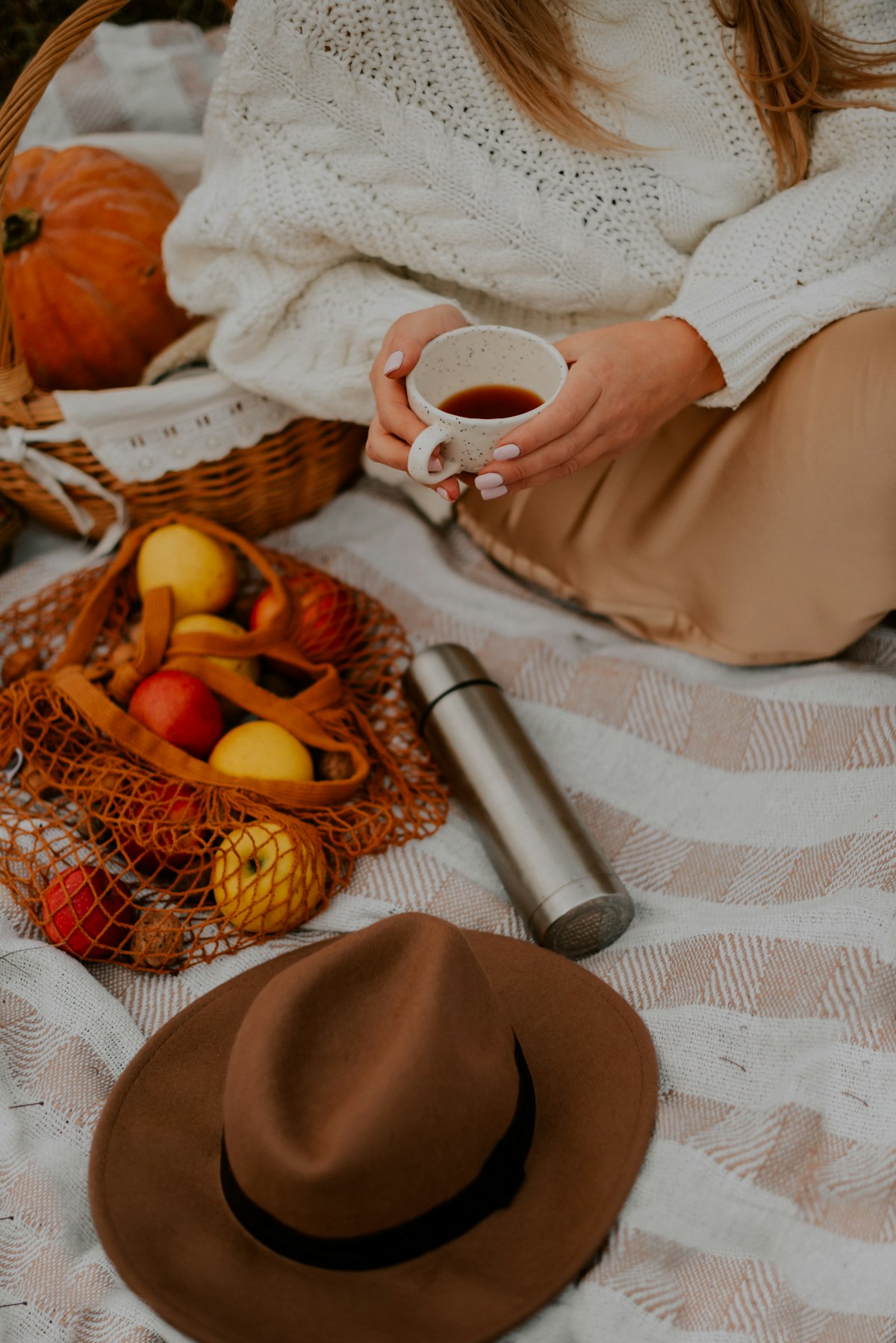
If one cup has to wait while the second finishes, use two clean tasting cups so that both pours cool to a comfortable temperature. Taste the first one when it is safe to sip, then take another sip once the second is ready and has cooled a little. Try the two cups at roughly similar temperatures before judging. Heat can make it harder to notice the difference in flavor, especially when the first sip is too hot to keep in your mouth for long.
Check the color on a white background if you have one. A darker cup can give you an expectation before you sip. Look at both, then smell them without deciding which should be stronger. Sometimes a cup that is only slightly darker can feel much fuller. A strongly colored cup can still taste thin. The color is a useful observation because you can compare it later, but the cup has to be chosen by taste.
Pay attention to how the sip ends
Take a small sip of the first tea and let it go before drinking the next. Notice the first smell and the aftertaste. Does the tea leave a clear flavor behind, or does the flavor disappear quickly? Does your mouth feel dry after swallowing? Some dryness can make a tea feel crisp. Too much can overwhelm its scent and make you want a sip of water. Separate that sensation from bitterness if you can. Bitterness is a taste, while dryness can feel like a change on the tongue or cheeks.
Now take a sip of the longer brew. Look for what grew and what stayed the same. The longer cup might have more body and just enough extra flavor. It might also lose the pleasant finish of the first cup, even if it smells stronger at the beginning. Have a little plain water between the samples if they begin to blur together. Switch the order for the next sip so that one cup is not always the first thing you taste.
Write one sentence for each sample in ordinary words. A note such as 'smells like warm toast, goes dry after a few seconds' gives you something useful to compare. You do not need a formal tasting vocabulary. If a flavor reminds you of the skin of an apple or a toasted oat, say that. The note will help the next time you pick up the package, even if someone else would describe it differently.
If someone else is tasting with you, ask them to label the cups on the underside and swap their positions without telling you which is which. Write your first impression before looking at the labels. You might discover you like the paler cup even when you expected to prefer the stronger one. Repeat the test if both samples are close enough that your choice changes.
Try a temperature comparison once you know the time you like
On another day, keep your preferred steeping time the same and change the starting water temperature within the range recommended for the tea. Use a thermometer or a kettle with a suitable setting if you want a repeatable result. If you use the same kettle without temperature control, give the second portion a measured short rest after heating and record what you did. Do not guess at two changes at once. The point is to find out how much one difference matters.
Prewarm both cups if you usually do that, or use both at room temperature. A heavy mug can cool the water more than a thin tasting cup. Matching vessels removes some of that variation. Put the leaves in and add the water the same way each time. If you cover one cup to keep heat in, cover the other as well. Give both their usual amount of movement rather than stirring one vigorously and leaving the other alone.
Taste in the same order as before, then reverse the order. Compare the smell, strength, and finish. A cooler brew might be quieter but more pleasant on a clear afternoon. A warmer brew might have a fuller shape you prefer when the tea goes with food. If the difference is barely noticeable, use the method you can make easily. The comparison is helpful even when it shows that a kettle setting is less important for you than removing the leaves on time.
Taste the tea with the food you actually serve
A tea you like by itself can change when you eat something with it. Take a sip after a bite of plain toast or a lightly sweet biscuit. Some of the tea's sharpness may soften. A tea that seemed gentle on its own can become hard to notice beside a strongly flavored spread. Try the comparison with an actual breakfast or afternoon snack if that is when you drink it most.
If you use milk, taste both samples plain before adding equal small amounts of milk. Give the milk time to blend and sip again. A slightly stronger cup may suit milk well even though you prefer the shorter brew without it. If you add sugar or another sweetener, use the same amount in each at first. Taste before adding a second spoonful. You are trying to find a brew that works with the way you drink it, so keep that usual finish as part of the comparison.
For tea served cool, prepare both samples the same way, then chill them safely in covered containers. Taste them at the same temperature and add any ice to both in similar quantities. Melting ice changes strength as well as temperature. Try a sample without ice first if you want to understand the brew by itself. A cup that is brisk when hot can seem quieter when cold, so make the comparison in the form you plan to drink.
Write down a method small enough to remember
Keep the tea name, the amount of water, and the time or temperature you preferred. A note on the package can be enough. Include whether you tasted it plain, with food, or with milk. A favorite cup can make it easy to remember the water level without another measuring jug. Mark its usable fill line mentally or note the volume once. Then choose the same amount the next morning and see if the result holds.
Try the method once on an ordinary day. If it gives you a pleasant cup without much attention, keep it. If you reach for the leaves while the water is already heating, put the strainer and tea in a place where you can measure them while the kettle runs. If you regularly leave the leaves in too long, set the timer before pouring. A comparison matters most when it leads to a cup you can make when the rest of the kitchen is busy.
Use the next package as another chance to taste, not as a reason to follow the old instructions exactly. The same water, cup, and tasting sequence will still be useful even if the leaves need a different time. Choose what you want to change, put two cups side by side, and let the finish of the sip settle the question.