Choose the squash and decide how much soup you need
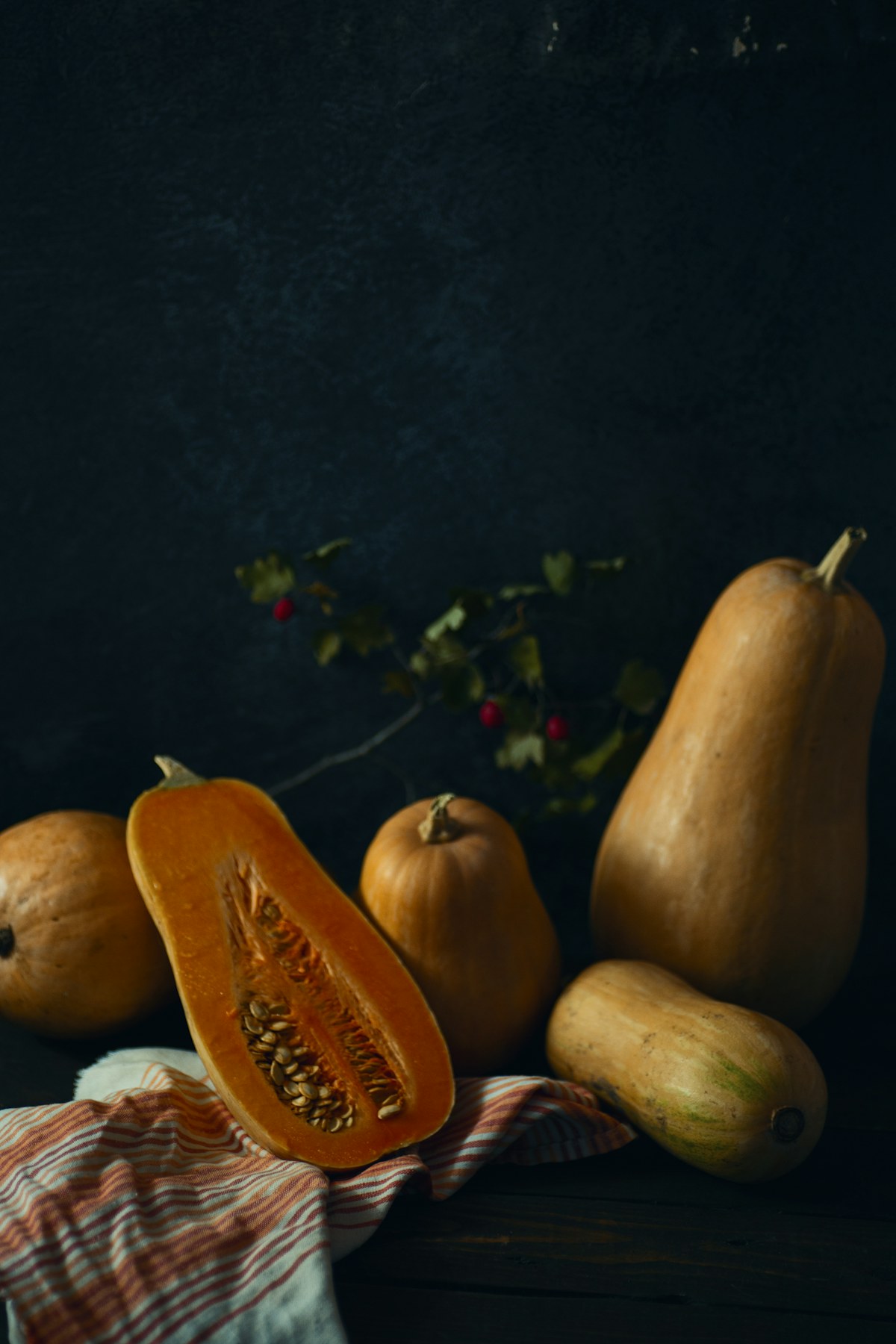
A whole butternut squash looks substantial because the round end contains seeds and an open cavity. The neck is solid and gives a greater amount of usable flesh. Buy one whose size fits your pan and whose skin is firm and sound. For a small pot of soup, one medium squash usually gives enough to build a base. The final quantity depends on the weight of the cooked flesh and the amount of liquid you want to add. Have light vegetable stock or water available, but leave some aside until you see the texture.
You will also need a little olive oil or other suitable cooking oil, an onion or a small leek, fine salt, black pepper, and a small amount of cream or plain yogurt if you want it at the table. The dairy is optional. Squash can give a smooth soup enough body on its own. Begin with plain squash, onion, and stock so you can tell whether the bowl needs cream, acid, or another finish after it is cooked.
Choose a suitable oven tray with a rim and a pot with room to stir. If you plan to blend, use equipment intended for the job and follow its instructions for hot liquids. A handheld blender may be more convenient when the soup can be blended in a deep pot. A countertop blender may require smaller portions and cooling first, depending on its design. Read the equipment directions before heating the stock. It is easier to arrange the tools while the tray is still in the oven.
Roast the squash in halves instead of peeling it first
Wash and dry the squash. Use a stable cutting board and a sharp sturdy knife. A firm squash can be difficult to cut safely. Trim a small flat surface if it rolls, and keep your hands clear of the blade. If you would prefer to avoid splitting a hard whole squash, buy prepared pieces and roast them instead. A prepared piece can finish sooner, so begin checking it earlier. For a whole squash, divide it lengthwise and scoop the seeds out with a spoon.
Coat the cut faces with a little oil and put them face down on the rimmed tray. Heat the oven to 400°F or about 200°C and roast until a knife enters the thickest part of the neck easily. Start checking around thirty minutes for a smaller squash. Large thick halves can take longer. The center at the wide end may soften sooner because the wall is thinner. Test near the middle of the solid neck before taking the tray out.
Let the squash sit on the tray just until you can handle it safely. Turn one half over and check the cut face. If it has browned, taste a little of that surface when it is cool enough. A browned area can give the soup more depth. A very dark patch can be removed if it tastes harsh. Scoop the flesh into a bowl and leave the skin behind. The neck should release in soft pieces. If it feels hard under the spoon, return that piece to the oven or finish it gently in the stock.
A squash with a very long neck can also be separated from the seed end before roasting. Cut each section into broad pieces so you can remove the thin ones as they finish. If there is a section with a good browned surface, keep a few spoonfuls separate before blending. You can add them back near the end to see whether that extra roasted flavor makes the soup taste fuller. It is easier to notice the difference in one cup than in a whole pot.
Build a quiet base while the squash finishes
Chop an onion or the pale part of a cleaned leek and soften it in a little oil in the soup pot. Use moderate heat and stir until the pieces become translucent and smell mellow. This soup can stay bright in color with a pale base. If you prefer a stronger roasted flavor, let a few edges become golden, but stop before they darken. The squash already has its own toasted notes from the tray.
Add the cooked flesh to the softened onion and stir through a small pinch of salt. Pour in enough light stock or water to come partway up the squash. You can add the rest after you see the finished thickness. If the stock is salty, start with a mixture of stock and water. A squash soup can become much saltier as it thickens. Taste the liquid after the squash has had a few minutes to warm through.
Bring the pot to a gentle simmer and cook briefly until the squash and onion can be pressed with a spoon. If some squash pieces were still firm when scooped, let those soften fully. Break up the largest pieces as they cook so you can see whether the whole batch is tender. A pot of completely soft vegetables is easier to blend. A hidden hard piece may leave little fibers in a bowl that otherwise looks smooth.
Blend with enough liquid for the blade to move
Take the pot off the heat or cool it as required by the blending equipment. Use a suitable vessel with enough room above the liquid. Follow the instructions about how full it can be, especially when using a countertop blender. Work in small batches if necessary. Keep the soup steady and avoid lifting a handheld blender's blade above the surface while it is running. The goal is a smooth texture without splashing hot liquid.
Blend the softened squash with its liquid and check a spoonful. If it stays in a heavy mound, add a little stock or warm water and blend or stir again. If it pours readily but still coats the spoon, it may be ready to serve. A thinner soup can work if you want to add something substantial to each bowl. A thicker version is useful when you want a garnish to stay visible at the surface. Adjust toward the way you will eat it instead of copying an amount of liquid from a different squash.
If the soup is very thin, warm it uncovered at a gentle simmer and stir while it reduces. A small separate portion is easier to adjust than the whole pot if you need only one bowl. If the base has enough squash but the flavor is quiet, try a pinch of salt in a spoonful before reducing further. More time may thicken the soup without giving you the brighter flavor you wanted.
A small amount of plain soup set aside makes it easy to compare two different finishes.
Add a finish that the squash actually needs
Taste the plain soup first. A very sweet squash can benefit from a few drops of lemon or vinegar. Add the acid to a small serving and taste again before changing the entire batch. If the soup seems strong enough but feels too thick, use warm water instead of extra stock. If it needs something richer, stir a spoonful of cream or suitable plain yogurt into a bowl and see what changes. Leave the rest plain until you know how much you want.
A small amount of toasted seed, chopped herb, or a little oil can go across the top. Choose one contrast. If the soup is already sweet and creamy, toasted seeds add a dry crunch. If you want a brighter smell, use a small amount of fresh herb. Put any garnish on at the table. A crisp piece can become soft if it waits on the soup while people finish another course.
If the soup will be eaten with bread, taste it with a piece. A plain bread can make a sharp finish less noticeable. A salty bread or topping may call for less seasoning in the soup itself. Use the first bite with the whole meal as the point where you stop adjusting.
For a first course, loosen a serving so it pours easily and offer a little bread beside it. For a main bowl, keep more body and add a spoonful of cooked beans or another suitable topping. Warm that topping separately if it needs to be heated. Putting a cold spoonful into a small bowl can make the whole serving cool quickly. Taste it together with the soup before adding extra salt or cream. The topping can change the bowl without requiring more work on the base.
Keep the useful detail from this batch
Record the amount of flesh you scooped and roughly how much liquid you used to reach a spoonable bowl. Note whether the roasted surface gave the flavor you wanted. If the next squash is bigger, use a similar proportion of liquid rather than adding it all at once. If the neck needed much longer than the rest, cut it crosswise before roasting next time so you can take out the pieces as they soften.
Cool and store leftovers promptly according to appropriate food-safety guidance. Divide a large pot into small portions in suitable shallow containers, and label them. When reheating safely, check the thickness before adding anything. A little warm water can restore the serving if it has thickened. If it already tastes complete, keep the finish simple and put any garnish in the bowl after heating.