Decide which berries should stay whole
A spoonful of compote can be smooth enough to run over toast and still contain pieces of fruit you can pick up. That is easier to arrange when the berries do not all go into the pan at the same time. Put the softer fruit in first and use it to make a sauce. Save some of the firmer pieces for the end. This works even with one type of berry, although a mixture gives you more ways to choose where the texture comes from.
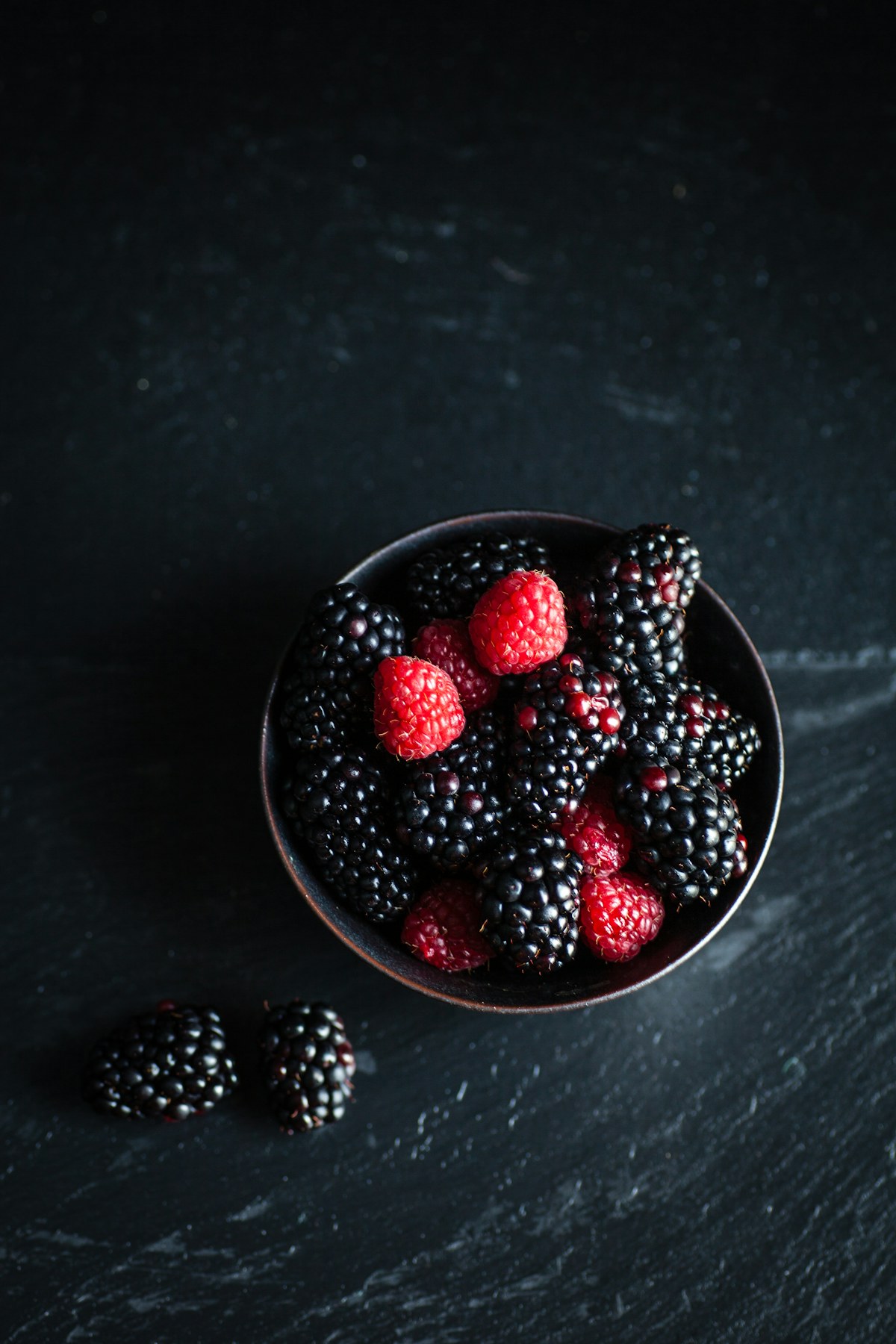
For a small batch, start with about two cups of berries, a spoonful or two of sugar if the fruit needs it, and a lemon. Use a small saucepan with room to stir and a clean dish for checking thickness. A mixture of cut strawberries and blueberries is a straightforward option. The strawberries can soften into the base while some blueberries stay intact. A bowl of raspberries can do the same thing if you reserve the firmest ones and add them near the end. Choose sound fruit and use the preparation instructions for the berries you bought.
Rinse fresh berries as appropriate and drain them before cooking. Remove stems and hulls where needed. Look at the sizes as you prepare them. Cut the largest strawberries into pieces that will fit comfortably on a spoon. Leave small firm berries whole. If you use frozen fruit, follow any package instructions about cooking, thawing, and handling. You can still cook part of the mixture first and add the rest later, provided each portion gets the full preparation indicated on the package.
Start the sauce with the softer fruit
Put about two-thirds of the prepared berries in the saucepan. Add a small amount of sugar if they taste very tart and a teaspoon or so of water if the pan is dry. Use medium-low heat and stir occasionally until the fruit begins to give up juice. Once there is visible liquid at the bottom, let the mixture reach a gentle simmer. A hard boil can make it difficult to see how fast the juice is reducing and can throw hot drops over the edge of a small pan.
Press a few pieces against the side with the spoon. Stop before every berry has the same texture. If you want a very smooth base, press more of the fruit now and save the firm pieces for later. If you want a loose sauce with some softened pieces, let the simmer do most of the work. Watch what collects under the spoon. A strawberry can release enough liquid to make a sauce by itself, while a smaller dry batch may need another spoonful of water before the fruit begins to collapse.
Taste a cooled sample once the base has a definite berry flavor. If it already seems sweet, leave out additional sugar. The texture and sweetness will change as it reduces. If the flavor is quite tart but you want to taste it with yogurt, try a small sample together with the yogurt before adjusting the whole pan. Plain yogurt and a sharp sauce can be pleasant together when there is some fruit in each bite.
Check the sauce on a cool plate
Draw a spoon through the base and look at how it moves back. A thin liquid will close the path immediately. A slightly thicker one can leave a brief trail. Put a teaspoon on a cool plate and tilt it gently. The sauce may thicken a little as it cools. This test is more useful than waiting for the whole pan to seem thick while it is bubbling. Use a clean spoon and let the sample cool enough before tasting.
Choose the thickness according to the food it will accompany. A spoonable yogurt bowl can take a little loose sauce because the two can be mixed. Toast needs a thicker topping with less liquid to soak through. A sauce for pancakes can be thinner than one for a sandwich with another filling. If you are unsure, keep it fairly loose at first. You can reduce a small portion later while leaving the rest available for a different use.
If the sauce is thick but a bit flat, add a few drops of lemon juice to a sample. A ripe berry can seem sweeter after a little acid, but an already sharp batch may need nothing. Use a small amount of grated zest if you want more fragrance without changing the liquid. Taste after adding each thing. The last few minutes of cooking should be about choosing the texture rather than searching for a long list of seasonings.
If the berries are full of small seeds, test a spoonful of the base before you finish the whole batch. Some people enjoy the texture while others prefer a smoother sauce. A fine strainer can remove some of the seeds from the cooked base if it is loose enough to pass through. Leave the reserved fruit out until after straining. That lets the finished sauce hold a few pieces even when the liquid underneath is smooth.
Put the firm fruit in at the stage that suits it
Add the reserved fresh berries once the base is close to ready. Turn them through gently and let them warm until they have softened as much as you want. For a firmer finish, use the shortest cooking time suitable for the fruit and serve soon. For frozen berries, follow the full package cooking directions for the second portion as well. If you want fresh fruit that has not been cooked, keep a clean portion separate and add it on the plate after preparing it appropriately.
Check the sauce again after the second fruit goes in. The added berries can release liquid and make the base thinner. If you want to keep those pieces intact, lift them out with a clean spoon and let the liquid reduce separately before putting them back. For a more integrated sauce, leave them in and stir gently while it finishes. A few broken pieces are useful. They join the cooked base while the remaining fruit makes the texture clearer.
Remove the pan from the heat once you have both a sauce and enough intact berries. Set it on a stable surface. If you need only one warm serving, put that portion into a dish and let it cool enough to eat. If the rest will be stored, cool and refrigerate promptly according to appropriate food-safety guidance. This is a fresh cooked fruit sauce. Use a tested preservation recipe for shelf-stable canning.
Serve the thick and thin parts with intention
For yogurt, spoon some of the sauce around the edge and set a few whole berries in the center. A little oat or another dry topping can stay on the opposite side so it does not soften immediately. Try a bite with all three before adding more sugar or another sauce. If the compote tastes strongly of one berry, that can be a good reason to keep the yogurt simple and let the fruit supply the finish.
For toast or a scone, lift a piece of fruit with just enough sauce to coat it. Keep the thinnest liquid in the bowl. A little butter, soft cheese, or plain yogurt can give the fruit a place to settle if those suit the meal. Put the compote on shortly before eating. A crisp crust will absorb some liquid and change after a few minutes. If that texture matters, bring the fruit to the table in its own dish.
For pancakes, use a spoonful of the thinner part as a sauce and a few pieces of fruit as a topping. Put the rest beside the plate so it stays available for a second pancake. If a stack has already been buttered or sweetened, taste one bite before adding more. Berry compote can provide acidity as well as sweetness. It may do more for the plate when the other flavors remain quiet.
A small serving of compote can also be swirled through a soft dessert. Put a spoonful on the surface and draw it through only once or twice. The dark lines will stay distinct and let you taste the fruit alongside the plain part. Stirring it fully makes a different dessert with a more even flavor.
Make a note about the fruit and the finish
Record the mix of berries, roughly how much sugar you used, and whether the second portion released more liquid than expected. If the batch was pleasant but too thin, use a wider pan or give the first part more time before adding the reserved fruit. If the whole berries went soft, take some out early or save a fresh garnish for the plate. If the sauce tasted flat, check how much the fruit had cooked down before adding a new spice.
If you want a smaller batch for two pieces of toast, use a smaller pan and check early. A thin layer can lose liquid very quickly. For a larger batch, stir from the bottom and taste the base before deciding how much fruit to reserve. A deep pan can need more time to concentrate. Keep the two-stage idea even when the amount changes. Use enough fruit to make the sauce, and set aside enough to give the finished spoonful something to bite.