Look at the pod before deciding what to bring home
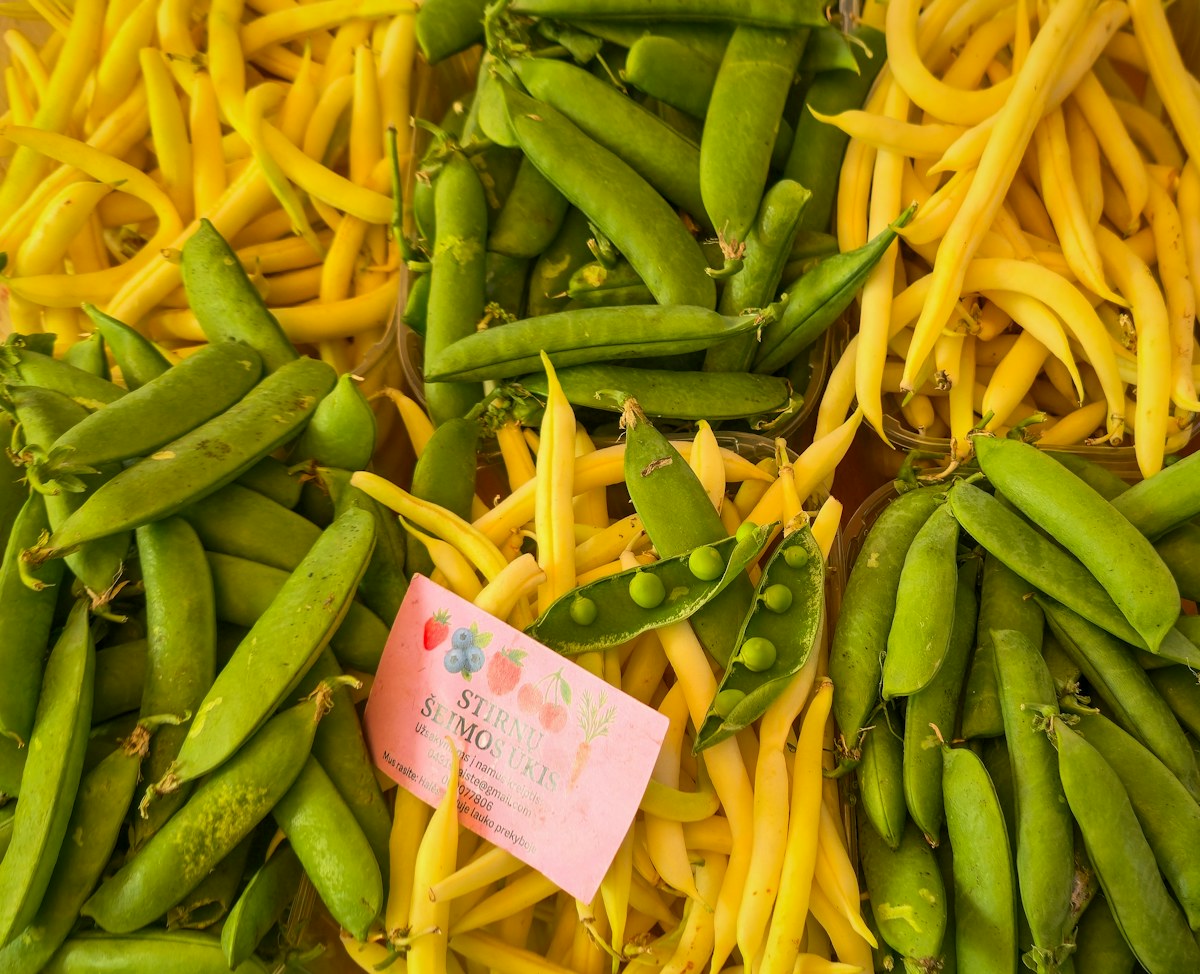
Fresh shelling peas are sold for the round seeds inside the pod. Snow peas and snap peas are usually prepared differently because the pods themselves can be tender. Check the label or ask the seller which type you have before doing the work of shelling an entire bag. For this method, choose shelling peas. A firm pod that feels filled is a good starting point, although the size of the seeds and their flavor can vary from the top of the bag to the bottom.
Try a few pods before planning quantities for a crowd. One bag can look generous because the pods take up much of its space. The actual peas will make a smaller pile. If you are buying for a side dish, ask the seller how far the bag usually goes or buy some extra for another use. A cup of shelled peas can be served with another vegetable or folded into a grain dish when the market does not have enough for several bowls of peas on their own.
Bring a bowl for the peas and another for the empty shells. Have a saucepan or skillet, fine salt, a small knob of butter or a little olive oil, and an optional handful of tender herbs. Leave the herbs whole until you see how strongly the peas taste. Mint, parsley, and chives all give different finishes. A sweet pile of young peas can be good with only a little fat and salt, and you can decide whether to add a herb while they are warm.
Open the pods without crushing the seeds
Wash the pods under running water and handle them on a clean surface. Press near the seam and open the pod with your thumbs. Slide the peas into the clean bowl rather than using a knife to scrape them out. Check for any piece of stem that comes away with them. Work through a few pods and take a moment to look at the size of the peas. Very small peas often soften sooner than the largest ones. Separate a particularly large handful if you want to cook it a little longer.
Leave damaged or spoiled seeds out. A mixed bag can include a pod that feels firm on the outside and has very small seeds within. That is fine if the seeds are sound. A wrinkled pod may take a different effort to open, and older peas can feel firm after cooking. Taste the cooked ones before deciding how to use them. A bigger seed with more bite might fit a soft purée or a cooked grain better than a tiny pea you want to serve whole.
Set the bowl aside appropriately if you are preparing the rest of dinner. Cover and refrigerate the shelled peas if they will not be cooked promptly, following the produce seller's or local guidance. Shelling just before cooking is convenient because it lets you see the yield while the pan is still empty. If your portions look small, you can choose to fold the peas through another dish without needing to stretch a prepared side.
Check the smallest peas before the water has boiled hard for long
Bring a small saucepan of water to a boil and season lightly if appropriate. Add the shelled peas and let the water return to a gentle boil. Use enough water that the peas move freely and the pan can be drained without overflowing. Start tasting early. Small fresh peas may be ready quickly, while older or larger ones can take longer. Lift a few with a spoon and cool them enough to taste. The center should be tender and the peel easy to eat.
When the peas are ready, drain them carefully. If they are going straight to the table, return them to the warm empty saucepan and add a small piece of butter or a little oil. Turn them gently to coat them. You can also use a skillet with a spoonful of water instead of a full saucepan if that suits the amount. Cover briefly to soften the peas, then take off the lid and let the excess moisture evaporate. Taste after a short interval and add more water only if the centers need time.
If you are using frozen peas in place of fresh, follow their package cooking instructions. Frozen vegetables should be handled and cooked as indicated by the maker. You can apply the same finishing idea once they are cooked. Drain extra water before adding fat or chopped herbs. A cold package added to a hot pan can lower the temperature for a while, so use the amount that fits the pan and do not judge tenderness by how quickly the surface starts steaming.
If you want to serve peas with a very small amount of cooking liquid, reserve a spoonful before draining. Stir it into the butter and warm peas only after checking their texture. It should make the coating easier to move, not leave the peas sitting in water. A warm bowl can help keep the small portion pleasant until it reaches the table. Have it ready while you drain the peas so they do not wait in a hot pan.
Choose a finish by tasting the peas plain first
Taste a spoonful with no herb. A fresh pea can be naturally sweet with a light green edge. A little salt may make both easier to notice. If it already tastes complete with butter, stop there or add a very small amount of black pepper. If you want a clear fresh finish, chop a few mint or parsley leaves and add them to a serving before seasoning the whole batch. Mint can be much stronger than the peas, so begin with a pinch.
For a bright version, add a little finely grated lemon zest after cooking. Try a few drops of juice only if the peas taste heavy. The acid will be more obvious in a small bowl than it might be across a larger plate. If you are serving the peas beside a main dish with vinegar or lemon, they can stay quieter. The warm fat and a pinch of salt may give the whole plate enough balance.
For a more savory finish, soften a small amount of chopped scallion in a little fat before adding the cooked peas. Keep the scallion pale and let it soften enough to lose its raw edge. Stir the peas through just long enough to warm them and add a little pepper if needed. Taste the mixture before using cheese or another salty ingredient. A small amount of mild cheese can make the serving richer, but a little on the plate may be better than stirring it through all the peas.
Use the peas while you can still see what they add
Fold cooked peas through a grain just before serving when you want them to stay bright. Taste a few bites with the grain before adding another dressing. The peas bring texture and a little sweetness, so the grain may only need salt and a bit of oil. A simple dish with several soft elements can use a few extra peas on top to keep their shape obvious. If there are few, put them in one part of the bowl so each person can taste them before stirring.
For a spread, press part of the cooked peas with a fork and add a small amount of oil or soft cheese that suits the meal. Leave a few whole and put them on top. A mixture of smooth and intact peas can be easier to serve on toast than a rolling pile. Add any lemon after tasting. If the peas are much firmer than you expected, use a small spoonful of cooking liquid to help bring the mixture together.
For soup, warm a portion separately and add it to a prepared bowl near the end. Peas left in a simmering pot for a long time can soften more than you intended. Putting them in at serving gives you a chance to compare the broth with and without them. If you want the peas themselves to form a soup base, blend or mash a separate cooked portion with an appropriate amount of stock and use equipment rated for the temperature.
Repeat the part that worked with the next bag
Record whether the bag gave you mostly small tender peas or a mixture of sizes. Note when you first tasted them and whether they were already ready. If the next bag has larger seeds, give those pieces time in the pan before adding the smallest ones. If you use frozen peas, start from the package instructions and use the same decision about when to add the herbs or butter. The final seasoning need not change simply because the bag did.
If you plan to save a cooked portion, cool and store it promptly according to food-safety guidance. Leave any fresh garnish separate until the next meal. A pea that was soft when it first came off the stove will not become firmer after reheating, so choose a use that suits that texture. The first spoonful is most useful for learning how the peas themselves taste. Give them a short cook, use one finish, and bring them to the table while that flavor is still easy to recognize.