Keep the first batch small enough to change
A table of people folding dumplings will produce several shapes even if everyone starts with the same wrapper. That is useful. A simple half moon can seal easily. A row of small folds can mark a different filling or show the person who made it. Give the group a first batch of about a dozen, then pause to cook a few. The best thing to discover early is whether the filling is too wet or the wrappers need more room at the edge.
Use round dumpling wrappers sold for steaming, following the package handling and cooking directions. For a simple filling, prepare a few handfuls of finely chopped cabbage and mushrooms with a little scallion. Cook the vegetables first so you can taste them and see how much water they release. Use a suitable cooking oil, salt or a little soy sauce, and a pinch of pepper if you like it. Check packages and labels for allergens, especially when there are several cooks and fillings on the table.
Set up a clean table with a cutting board, a plate of wrappers under a cover appropriate for the product, a bowl of filling, and one or two spoons. Keep a little clean water for moistening edges if the package recommends it. Leave a separate lined plate for filled dumplings so they do not sit on top of one another. Keep food handling and storage appropriate for the ingredients. Work with a small portion of filling at a time if the table will be busy for more than a short period.
Make a filling that holds together in a spoon
Finely chop the vegetables so that each spoonful contains several ingredients. A large piece of mushroom can press against the wrapper as it closes. A long cabbage strip can end up across the seam. Cut both small enough to mound in a teaspoon. Cook the mushrooms first in a suitably hot pan with a little oil, letting their released moisture evaporate. Stir in the cabbage and scallion once the mushrooms have softened. Continue until the cabbage bends easily and the mixture no longer leaves a large puddle behind.
Taste the filling after it has cooked. Add a little salt or soy sauce, then taste again. The wrapper will soften the seasoning when the dumpling is eaten, but the dipping sauce may replace some of the salt you think you need. Take a small spoonful and press it against the side of the bowl. A good filling stays in a mound long enough to move without dripping. If it runs, give it more time in the pan or drain excess liquid before cooling it safely.
Cool the filling promptly according to appropriate food-safety guidance before handling it at the table. Warm filling can make the wrappers soften faster. A wide shallow container gives the cooked mixture room to release heat. Once the filling is ready to use, bring out only the amount the group can fold in the first short round. Keep the remaining filling properly chilled until it is needed. That also leaves you a fresh portion to adjust if the first dumplings tell you the seasoning needs a change.
Fold one plain half moon before trying pleats
Hold a wrapper flat on the board and put a small teaspoon of filling in its middle. Leave a clean circle around the edge. If the wrapper needs moisture to seal, touch only the edge with a damp fingertip. Too much water can make the surface slippery and harder to close. Lift the far side over the filling and press the center of the seam together first. Work from that point toward each end, pushing out any large air pocket without squeezing filling into the seam.
Run a fingertip along the closed edge. If a patch is still open, press it a little more firmly or use a tiny amount of water as appropriate for the wrapper. If a piece of cabbage is caught in the seam, open that spot, move the cabbage inward, and close it again. A plain sealed half moon is a useful first shape because it is easy to see whether the whole edge joined. Put it on the plate with enough room around it to pick it up later.
Once everyone can make that shape, try a few small folds on one side only. Hold the other side steady and fold a short section inward before pressing it together. Do it again a little farther along the curve. If the fold uses too much wrapper and leaves a tight point, use a smaller amount of filling in the next one. A closed seam matters more than the number of folds. Keep one plain dumpling in the batch so you can compare how the more elaborate seam cooks.
If a wrapper tears as you lift it, put the filling into a fresh one. Keep torn wrappers aside until you can use or discard them according to the package guidance.
Give everyone a way to help without crowding the board
One person can portion the filling while another checks the seams. A third can arrange the folded dumplings in rows and keep wrappers covered. The most useful job is the one people can do without reaching across someone else's hands. Put the filling bowl in the middle and move the finished plate toward the person who will cook. If there are only two people, change jobs after the first few so each person knows what the other needs.
Let people make different shapes if you can tell them apart after cooking. If the shape is marking a particular filling, write down what it means or use separate labeled plates. Keep different allergens separate as needed. A pinch at the end of a dumpling is easy to forget after the whole batch has been moved. Separate utensils and plates make the arrangement clearer to the person cooking and the people eating.
If the wrapper edges start to dry, bring out fewer at a time. If the finished pieces stick to the plate, use a lining suited to the wrappers and steamer, and leave a little more space. Set the most recently folded ones at one end so you can cook the earlier ones first. A tidy row is useful because it keeps the dumplings easy to lift. It does not need to look like a shop display.
Steam the first few and check what needs changing
Use a steamer suited to the pan and follow the wrapper and equipment instructions for steaming. Keep the dumplings above the water, leave space between them, and use any liner recommended for the equipment. Bring the water to the indicated cooking state before putting the dumplings in. Open the lid away from yourself when checking them. Hot steam can rise quickly even from a small pot.
Cook the test dumplings as directed. Lift one carefully and let it cool enough to taste. Look at the seam and the wrapper where it touched the filling. The seam should hold when lifted and the wrapper should be cooked through. If the shape burst, check whether the filling went all the way to the edge or whether a patch of seam did not close. If a dumpling seemed mostly wrapper, use a little more filling next time while keeping the same clear border.
Taste the inside without sauce before changing anything. A tiny pinch of salt in the remaining filling can help if it tastes quiet. If the texture is watery, drain or cook down the remaining portion as appropriate and cool it safely again before folding. If the seasoning works but the bite needs a sharper edge, serve the adjustment as a dipping sauce. A small amount of soy sauce and vinegar can supply that contrast without making the filling wet.
Check the water level between batches according to the steamer instructions. If the pot needs more water, move the filled tray away first and add water carefully before reheating. A steamer that ran well for six dumplings can run low during a larger round. Leave a clear landing spot for the hot lid and use utensils that let you lift the dumplings without pushing their seams against the side.
Bring the dumplings to the table in rounds
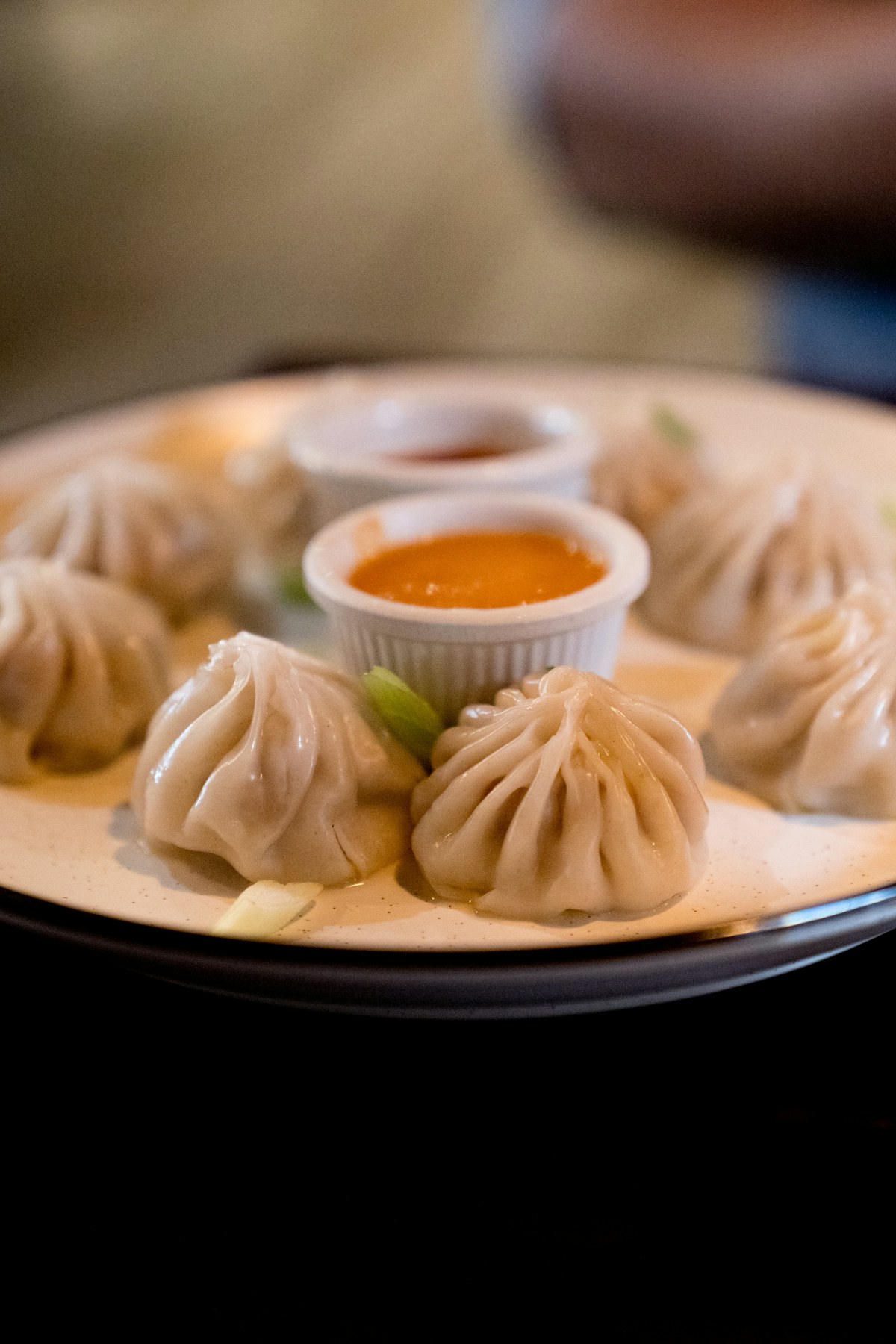
Serve the first group while it is warm and continue steaming the rest in batches suited to the equipment. Offer the sauce in a small dish so each person can taste the filling as well as the dip. If a dumpling has a thicker folded edge, put it on the plate with a plain one and compare the two. Some people enjoy a little more chew along the seam. Others may prefer the thin half moon. The point of the first meal is to discover which kind the group wants to make more of.
At the end, keep the note about the filling quantity and the wrapper that worked. Record whether a teaspoon was generous or whether there was room for more. Write down the sauce people returned to. The person who made the plain half moon can show the next person how it sealed. On the next visit, begin with that one familiar shape, cook a small trial, and leave the rest of the evening open for the folds everyone wants to try.
Bring a clean serving spoon for each dipping sauce if it will be shared. Put the dishes where someone can reach them without crossing the area used to handle the hot steamer.