Choose a sauce that can move around the pasta
A sauce that looks balanced in a saucepan can behave differently once you spoon it over a plate of noodles. A thick sauce may sit in one spot. A very loose sauce can run to the bottom while most of the pasta stays bare. Finishing pasta in the pan gives the noodles and sauce a short time together while both are hot. Start with a sauce you can move easily and plan to check the consistency before you serve.
For a simple comparison, use a small amount of tomato sauce you already like and two portions of dried pasta. Set a skillet large enough to hold the cooked pasta and sauce with room to stir. The sides need to be high enough to keep a few spoonfuls of liquid from spilling. A second pot can work if it is wide enough to toss the noodles, although a broad skillet makes the amount of liquid easier to see.
Choose the shape based on how the sauce holds itself. Long noodles can take a smooth sauce that coats them evenly. Short shapes with openings or ridges can hold small pieces of cooked vegetable. If the sauce has a few large pieces, cut one and see whether it fits in a normal bite with the pasta. A large piece that slides off the fork can be served beside it, leaving the part that is easy to toss in the pan.
Heat the sauce while the pasta starts
Bring a pot of water to a boil and cook the pasta according to its directions, with the intention of beginning to check slightly early. Season the water to taste if appropriate for the rest of the dish. The pasta water will be added to the sauce, so very salty water can make later adjustments harder. If the sauce already has salted cheese or another salty ingredient, start modestly. Taste the dish again before adding salt at the end.
Warm the sauce gently in the skillet. Stir it and look at how quickly it closes behind a spoon. If it barely moves, leave it as it is until you have some pasta water to loosen it. If it runs like broth, let it simmer gently while the noodles begin cooking. Keep the pan covered partly if the sauce splashes. You want it warm and ready to receive the pasta, rather than reduced so far that it begins sticking before the pasta is cooked.
Take out a heatproof cup for reserving water. Dip carefully into the pasta pot near the end, when the water may have picked up more starch. Alternatively, lift the pasta directly into the skillet so you can add water from the pot as needed. The advantage of saving a little separately is that you can drain the pasta completely if the sauce already has plenty of liquid. Transfer the cup to a clear, stable space beside the stove.
Move the pasta while it can still finish in the skillet
Taste a piece shortly before the package time is up. When it has softened through most of its thickness but still has a little more bite than you want on the plate, it can go into the sauce. If it has a hard center that is unpleasant to chew, leave it in the pot a little longer. The skillet finish is brief. Moving pasta very early will make the sauce simmer away while the center is still tough.
Lift the noodles with tongs or a suitable strainer and transfer them carefully. Move the skillet onto a gentle heat. Turn the pasta through the sauce so the pieces at the bottom come to the top. If it is hard to move or the sauce collects in dark clumps, add a small spoonful of the reserved water. Toss again and see how it behaves. Let the new liquid warm and mix before judging whether you need another spoonful.
For short shapes, use a wide spoon or a gentle shake of the skillet if you can do so safely. Long noodles may be easier to lift and fold with tongs. You do not need to toss the pan into the air. The useful movement brings uncoated pieces into contact with sauce and gives you a view of the bottom between passes. Keep the pan stable and stop to taste when most of the pasta looks evenly coated.
If you want to compare the technique directly, leave a small portion in the boiling water until it reaches the texture you normally serve. Drain it and put the same sauce over it without using the skillet. Eat a bite of each while they are hot. Look for how much sauce stays on a noodle when you lift it, and see whether you prefer the texture of one over the other. The trial can be made with just a few pieces, so there is no need to cook two full meals.
Adjust the surface and the bottom separately
Draw the spoon through the center of the skillet. If you can see loose liquid underneath the pasta, tilt the pan slightly and look at how much collects. A little sauce is useful. A large pool will end up under the noodles rather than on them. Keep the skillet uncovered and move the pasta gently as the extra liquid reduces. Stop as soon as the pasta is cooked to your liking. You can lift it out first if the sauce still needs time by itself.
If the sauce clings heavily and the pasta looks dry at the ends, add water by the spoonful. Start with less than you think you need. A small amount often makes the sauce easier to spread. If it becomes too thin, return the pan to gentle heat and keep turning the pasta until the sauce moves as one mixture. Taste near the end. A sauce diluted with more water may need another pinch of salt or a spoonful of the original sauce, depending on its starting flavor.
A cheese finish can change the texture quickly. Add a little finely grated cheese off the strongest heat and stir through before adding more. If a spoonful clumps in the skillet, reduce the heat and use a little warm cooking water to loosen the mixture. For fresh herbs, wait until you are nearly ready to serve. A few torn leaves can remain distinct while the sauce settles around them.
A spoonful of thick sauce kept back at the beginning gives you another way to correct a thin finish. Add it only if the diluted sauce has lost flavor as well as body. If the texture is thin but it tastes strong, remove some of the liquid or let it reduce separately. If the sauce seems thick enough but mild, a little of the original mixture may restore its flavor more directly than an extra spoonful of cheese.
Decide what goes in the skillet and what stays on top
Cooked vegetables with enough structure can be folded through the pasta in the last minute. Give them only enough time to warm. A crisp topping, such as toasted crumbs, will soften if it is stirred into a wet sauce. Keep those things separate until the pasta reaches the plate. Look at the texture you are trying to preserve before deciding to put everything in the skillet together.
If you are making a very simple sauce from oil, garlic, and pasta water, work with small quantities and taste often. Keep the garlic from darkening before you add the wet ingredients. The water can help spread the fat when the mixture is turned through the pasta. A very large quantity of oil will still taste oily. Add just enough to coat the noodles and finish a serving before deciding whether the dish needs more.
For a tomato sauce with fresh pieces, add the softest pieces shortly before serving if you want them to keep their shape. If the tomatoes release a lot of juice, spoon some of it into the pan gradually. It can do part of the work of the cooking water. Taste the sauce after it goes in. A little salt or olive oil may be more useful than reducing the tomatoes until their fresh flavor is gone.
Serve while the sauce still moves
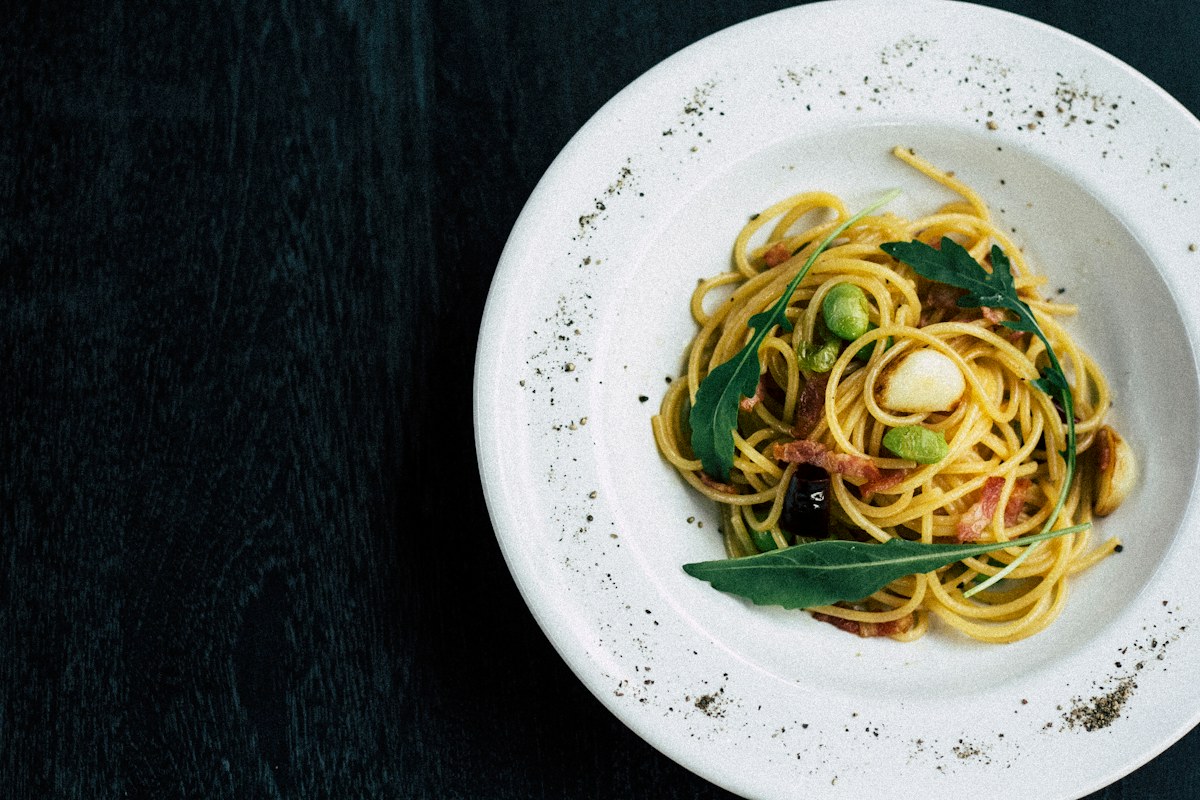
Transfer the pasta to a warmed plate or bowl if convenient. Use tongs to lift long strands and spoon any remaining sauce over them in small amounts. If the pasta begins to stick together before serving, turn it once in the skillet with a little warm water. Recheck the seasoning. A well-coated noodle should still separate from its neighbor as you lift it. It does not need a large quantity of visible sauce underneath to taste complete.
Compare the first bite with the last. If the pasta tightened while you were eating, loosen it slightly more next time before putting it on the plate. If the sauce pooled, add less cooking water at once or give it a little more time in the skillet while the pasta can still take the heat. Write down the shape and roughly how early you transferred it. The amount of time in the pan is easier to repeat once you know when that shape begins to taste almost ready.