Think about how you want the bowl to eat
A bowl of yogurt can hold rolled oats that soften into the mixture or a scattering of oats that stay crisp until the last bite. Both breakfasts begin with the same ingredients. The difference is in what you do with them and when you put them together. Decide whether you want a cool bowl with the texture of pudding, a spoonful of thick yogurt with crunchy pieces, or something between those two. That decision can guide the rest of the preparation.
For the easiest starting point, use plain yogurt, rolled oats, and one fruit you enjoy. Plain yogurt gives you a way to taste the fruit without a strong sweetener already in the bowl. Thick strained yogurt can support juicy fruit without losing all of its body. Regular plain yogurt moves more readily around oats and is an easier starting point if you want a softer mixture. A plain plant-based yogurt can also be used, with the same attention to thickness and flavor. Products vary, so look at the package if you want to compare ingredients or nutritional information.
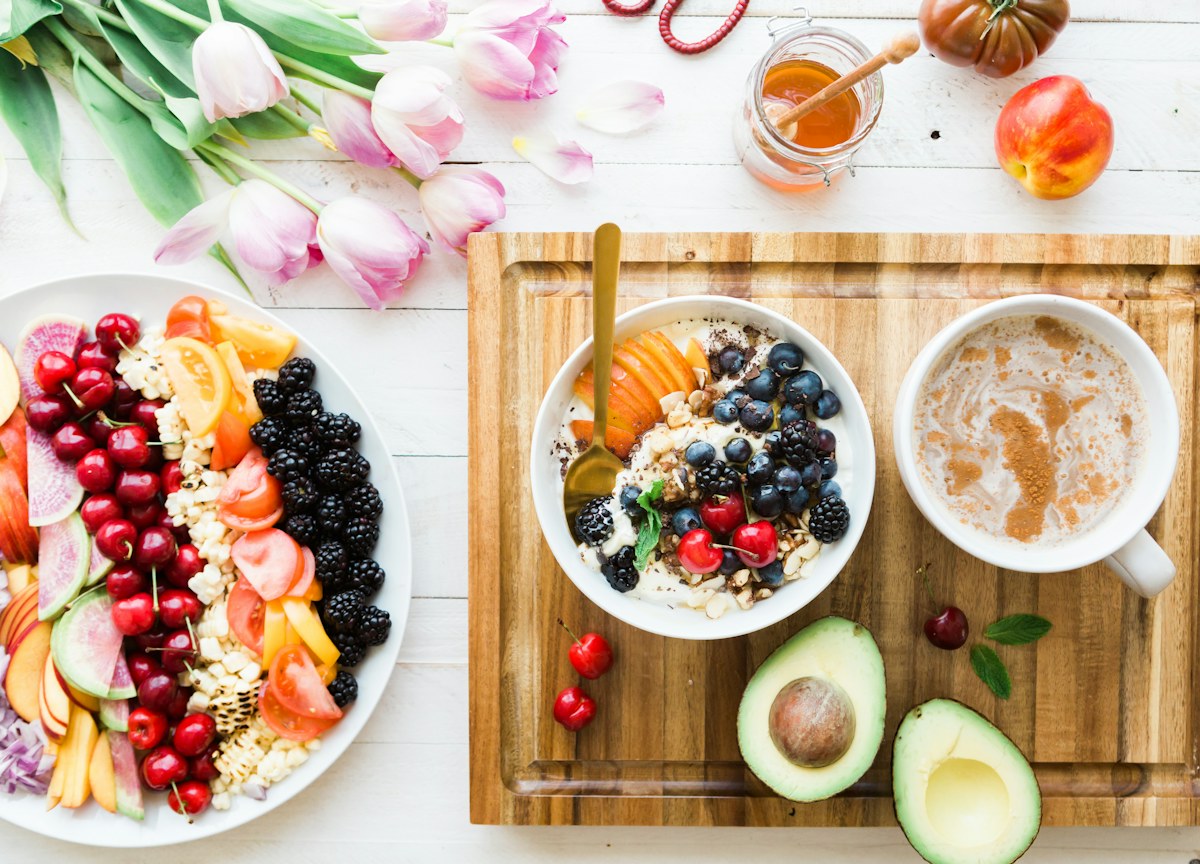
Start with a quantity you would normally eat. A half cup of yogurt and a few tablespoons of rolled oats make a useful trial portion. Add enough sliced or chopped fruit to give most bites a little color and flavor. The first bowl teaches you how much fruit and how much crunch you like. The next time, build a larger breakfast or a lighter portion around the same balance.
Soften the oats before adding the fruit
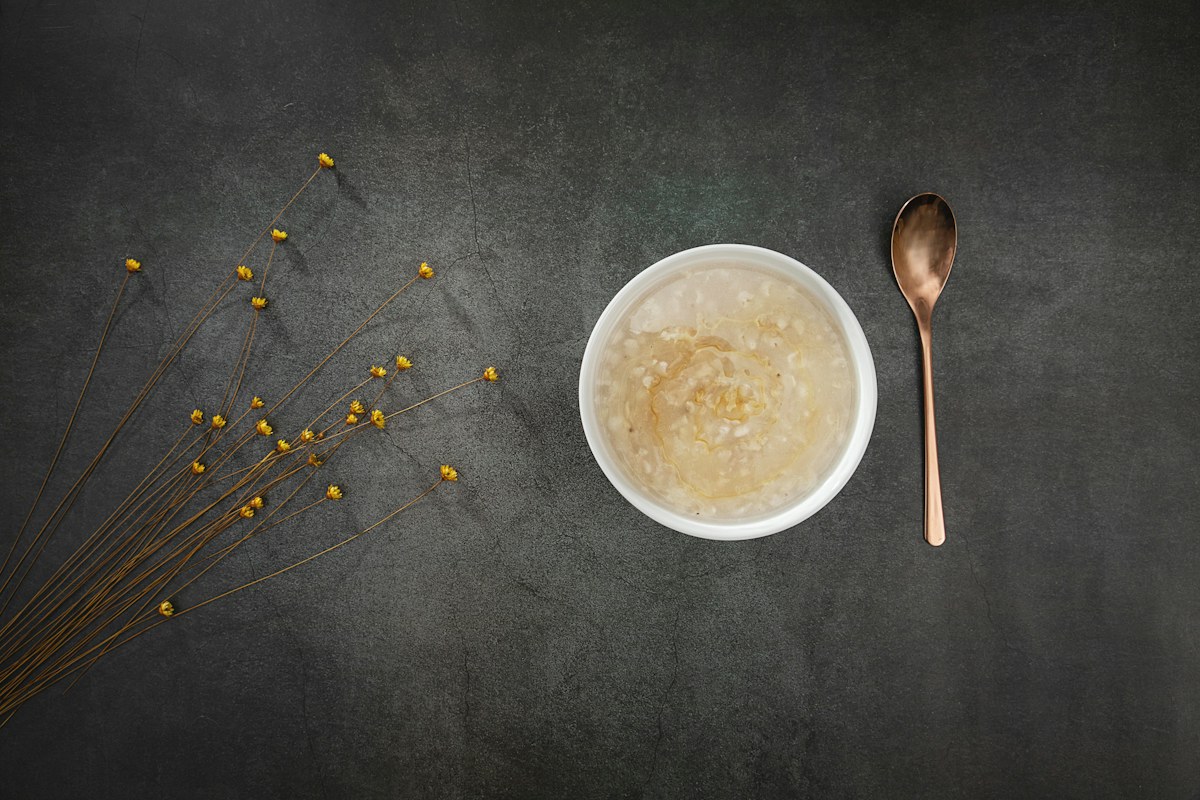
For a bowl that can be made ahead, stir two or three tablespoons of rolled oats into about half a cup of plain yogurt. Add a little milk or a spoonful of water if the mixture is so thick that the oats remain dry on top. Stir until they are coated. Cover and refrigerate the bowl overnight or until the oats have softened to the texture you like. In the morning, drag the spoon through the yogurt before adding anything else.
If the spoon leaves a stiff ridge, stir in a little more yogurt or milk. If the mixture is thin, try thicker yogurt next time or wait to add extra liquid until you see how the oats behave. Use rolled oats for this trial because the thin flakes become soft while retaining some structure. Instant oats will soften more quickly and can give the bowl a smoother texture. Coarse steel-cut oats are a different ingredient and may stay too firm for this method. Follow the preparation directions on the package if using them.
Fruit affects the bowl differently when it sits in the yogurt. Grated apple can disappear into it overnight and give the whole mixture a fresh sweetness. A few pieces of ripe pear may lose the firm bite you enjoy if you add them too early. Keep the first bowl simple by mixing the oats and yogurt ahead, then deciding what fruit to cut in the morning. Once you know what you like, move that decision to the evening if it saves time.
Use dry heat when you want a crisp topping
For a bowl with a distinct crunch, toast the oats separately. Warm a dry skillet over medium heat and add a small handful of rolled oats in an even layer. Keep them moving occasionally. Take the pan off the heat when the oats smell nutty and show a little color, then tip them onto a plate so they cool rather than continuing to toast against the hot metal. Stay close to the stove, because the small flakes can darken quickly once the pan is hot.
A small handful of toasted seeds or chopped nuts can add more crunch if those ingredients suit the people eating the breakfast. Check labels when allergies matter. Toast a new ingredient separately the first time. Small seeds can finish before the oats, and a few larger nut pieces can hold heat after they come off the pan. Cool all toppings fully before storing them in a dry, covered container. Use a clean dry spoon to serve them.
Scatter the crisp topping just before eating. Put a small amount on one side of the bowl if you want to keep it distinct, or sprinkle it in two passes as you eat. Stirring it through the whole bowl makes each bite more even and softens the flakes faster. For a bowl you will carry, pack the oats in a separate small container. That is the simplest way to keep the texture you made at the stove.
Match the fruit to the amount of liquid in the yogurt
A ripe peach or plum gives up juice when cut. Slice it over a bowl and taste a piece before spooning it into the yogurt. If the yogurt is thick and tart, the juice can loosen and sweeten it. If the yogurt is already thin, lift the slices out and reserve some of the juice to adjust the bowl at the end. Adding only a spoonful at first makes it easier to see what the fruit does to the texture.
Berries can serve as small bursts of flavor. Leave small berries whole and cut large strawberries into pieces that fit easily on the spoon. Use fresh fruit or thaw frozen berries in the refrigerator before serving if you want their juices to mingle with the yogurt. Some frozen fruits are meant to be cooked according to the package directions, so check the label. Let any cooked topping cool before putting it on a cold bowl.
A crisp apple gives a different result. Slice it into short matchsticks or small dice if you want a clear contrast to soft oats. Grate it if you want the flavor to blend into the base. A little lemon can lift a sweet apple or pear, but taste the yogurt first. If it is already quite sharp, an acidic finish can overwhelm the fruit. A pinch of cinnamon can make the same bowl feel warmer without changing how the yogurt sets.
Build flavor in a few deliberate layers
Taste a bite of plain yogurt with the fruit before adding a sweetener. The sweetness of fruit changes from one batch to another. A ripe banana may give more sweetness than the entire bowl needs, while a tart plum may taste better with a small drizzle of maple syrup. Add the drizzle where it can be tasted rather than stirring a large amount into the whole bowl at once. A few distinct sweet bites can be enough.
For a quieter combination, use diced pear, toasted oats, and a small pinch of cinnamon. Let a thick yogurt sit for a minute with the pear while you make a hot drink. For a sharper bowl, combine soft oats with orange segments and a little grated orange zest. Cut the segments into manageable pieces and drain off excess juice before adding them. Make the topping simple enough that the chosen fruit still has its own taste.
If you have cooked fruit left from another meal, spoon a little onto one edge of the yogurt and taste before mixing. A thick apple compote can fill the role of both fruit and sweetener. A loose berry sauce can do the same if the base is thick. Leave some plain yogurt on the other side of the bowl so you can adjust each bite. You can always stir the remaining fruit through after you see how strong it tastes.
Make tomorrow's bowl easier to assemble
Leave a clean spoon near the dry oats and store the everyday bowls where you can reach them before the kitchen gets busy. If you make softened oats the night before, use a container that can go straight to the table. Put the fruit in sight so it is easy to remember in the morning. A whole apple beside the bowl, ready to cut, may be more convenient than a special container of toppings that is hard to find.
For two people who want different breakfasts, soften oats in separate bowls or set out plain yogurt and let each person finish a portion. That keeps the crisp ingredients dry and makes room for preferences around fruit, flavor, and serving size. Add a note to the container if one mixture includes an ingredient somebody else avoids. A simple arrangement is easier to share when people can tell what is in it.
Once you have made the bowl twice, compare the two spoonfuls you enjoyed most. One might have had a piece of soft pear with a few toasted oats, while another had yogurt that was just loose enough to coat the fruit. Build the next bowl around that specific texture. Keep the preparation that fits your morning, and change the fruit when it is time to use up something different.
For a breakfast away from home, choose a container that closes securely and can be kept cold. An insulated lunch bag with a cold pack is useful when you will be away from the refrigerator. Leave a little room at the top so you can stir the yogurt after adding the fruit. If you bring a whole banana, add it just before eating and pack the oats separately so the topping stays crisp.