Use two kinds of lentils for two different results
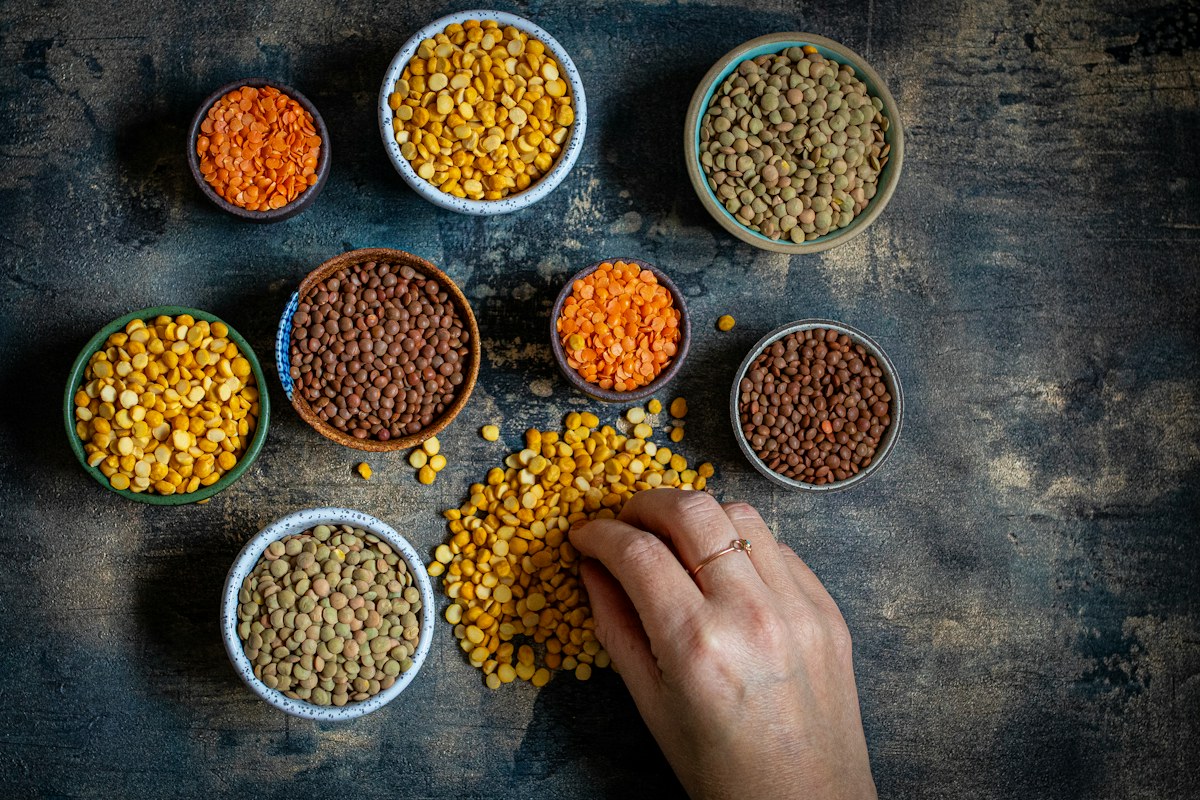
A firm green lentil and a split red lentil may sit beside each other on a shelf, but they become very different things in a pan. A green or brown lentil often keeps a recognizable shape when cooked until tender. That makes it useful for a salad with chopped vegetables. A split red lentil generally softens into its cooking liquid more readily, which can give a soup body without an additional thickener. Check the label for the exact variety and cooking directions before you begin.
Use half a cup of each kind if you are making the comparison at home. You do not need two full batches to see the difference. Gather two small saucepans, a strainer, a clean bowl, and a plate where you can let a test spoonful cool. Have an onion, a little cooking oil, and a few cups of water or light stock for the soup. For the salad, have a simple dressing or a little lemon and oil ready. Both dishes can be finished in several ways. The first task is to taste the lentils themselves.
Sort the lentils on a plate and remove any grit, small stones, or damaged pieces. Rinse each variety separately. Follow package guidance for preparation and cooking. The brown and red grains may look similarly firm when dry, but they do not need to start together. Read their timing and let the one that takes longer have its own pan. A large mixed pot would make it harder to see when either kind reached the stage you wanted.
Keep the salad lentils covered with liquid while they soften
Put the green or brown lentils into a small saucepan with enough water to cover them generously, following the directions for the variety. Bring the water to the specified cooking heat, then use a gentle simmer as directed. The lentils should move without striking the sides constantly. Watch the water level and add a little hot water if the top layer is becoming exposed before the centers are ready.
Begin checking near the early end of the stated cooking time. Lift out a few lentils from different parts of the pan and cool them briefly on a plate. Squeeze one with the back of a fork and taste another. A salad lentil should feel tender at the center and still hold together when you lift it. A firm outer skin is fine if it is easy to chew. A hard center needs more cooking, even if the skin has already softened.
Drain the lentils once several of the test pieces are ready. Keep some of the cooking liquid if you want to adjust another dish later. Spread the cooked lentils out a little in the bowl so they are easier to turn through dressing. If you plan to store any, cool and store them promptly according to appropriate guidance. Smaller portions in clean containers are easier to use in separate meals than one bowl you have to remove from storage each time.
If some lentils split while the centers of others are still firm, check the heat first. A lively boil can move the softest pieces around more than they can tolerate. Lower the heat and continue until the firm ones have softened through. Strain the batch and put aside the softer pieces if their texture does not suit the salad. They can be warmed with a little broth and served separately. For the next batch, give the lentils room to move in a deeper pot without keeping the water at a fast boil.
Cook the soup lentils in the liquid you want to eat
Finely chop a small piece of onion and soften it in a little oil in the second saucepan. Wait until it smells mellow. Add the rinsed split red lentils and the amount of water or light stock indicated for the lentils you bought, adjusting for a soup as needed. Start with enough liquid to keep the mixture loose. A little more can be added near the end. The base will thicken as the lentils release soft pieces into it.
Stir occasionally and check the bottom of the pan as the color changes. A spoon may leave a line through the soup before the lentils are fully tender. Add warm liquid if it becomes too thick to simmer comfortably. Follow the package timing and taste a cooled spoonful before turning off the heat. The lentils should soften through and the liquid should have some body. A few pieces can remain visible if you want texture. A smoother soup can be stirred or blended with suitable equipment, following its directions for hot liquid.
Salt the soup after you see how thick it will be. If the stock already contained salt, a small taste may be enough to tell you what it needs. Add pepper, lemon, or a spoonful of plain yogurt if those flavors suit the meal. Start with one of them and taste before adding the rest. The first spoonful should still have some of the gentle flavor of the lentils. You can serve a sharper finish separately for anyone who wants it.
Dress the whole lentils for a meal you can eat with a fork
Whisk a little lemon juice or vinegar with oil and a pinch of salt. Spoon a small amount over the drained lentils and turn them with a broad spoon. Taste a few before adding more dressing. They may absorb some of the liquid as they sit. A salad that tastes bright in the first minute can become quieter by serving time, especially if the lentils were warm when the dressing went in. Save a little dressing to adjust it later.
Choose one vegetable for crunch and cut it into pieces that fit on a fork with the lentils. Small dice of cucumber, celery, or sweet pepper can work. If a vegetable releases a lot of water, add it just before serving or drain it as appropriate first. A few chopped herb leaves can freshen the mixture. Taste after they go in, since some herbs can make a previously mild dressing seem stronger.
If the salad will be eaten with bread, give it just enough dressing to moisten the lentils without making the plate wet. If it is part of a grain bowl, season the plain grain separately. A salad that tastes sharp on its own can become muted when eaten with a large spoonful of unseasoned rice or barley. Build a test bite that contains everything and adjust from that, rather than adding more acidity to the whole bowl at once.
Check the soup once it has had time to settle
Lentil soup often thickens a little after the heat is off. Stir it and look at the spoon before serving. For a thicker bowl, keep enough body for a topping to sit on the surface. For a lighter broth, add a little warm water or light stock and check seasoning again. Heat it gently to bring everything together. A very thick portion can be served next to grains instead of being diluted all the way back to soup.
Add any leafy vegetable near the end if you want it to keep a distinct shape. Let a small handful soften in the soup and see how it changes the amount of liquid you need. If the greens have a bitter edge, a few drops of lemon or a small amount of oil can help. Finish individual bowls if people at the table want different flavors. A simple pot is easier to adjust in portions than one with several strong additions already stirred in.
If you are cooling leftovers, follow guidance for prompt cooling and storage, and label containers with the date. The soup can be portioned according to whether it will be a main dish or a smaller part of lunch. Leave enough room for reheating and stirring if the container is suitable for that purpose. Check consistency after reheating. A spoonful of water can loosen a batch that became very thick in storage.
The soup can also take a scoop of cooked whole lentils for contrast. Warm them with the red base near serving time and keep a few for the top. This is especially useful if the soup has become smoother than you intended. Taste both together before adding more salt. If the whole lentils were already dressed for salad, use a plain portion instead. A strongly acidic dressing can change the character of the whole bowl.
Let the contrast guide the next purchase
Compare a forkful of the salad with a spoonful of the soup. The whole lentils should keep their outlines, even when they are tender. The split lentils should contribute to the liquid, even if a few grains remain visible. If the salad went soft, start checking earlier or choose a variety known for holding its shape. If the soup did not thicken, use less liquid at the start or give the split lentils enough time to break down.
Keep the type and cooking result together in a note. The next time you pick up lentils, decide whether the meal needs individual pieces or a soft base. A package name can get you close. The cooked texture is what tells you whether the lentil belongs in that bowl.