Look inside the cucumber before deciding how to slice it
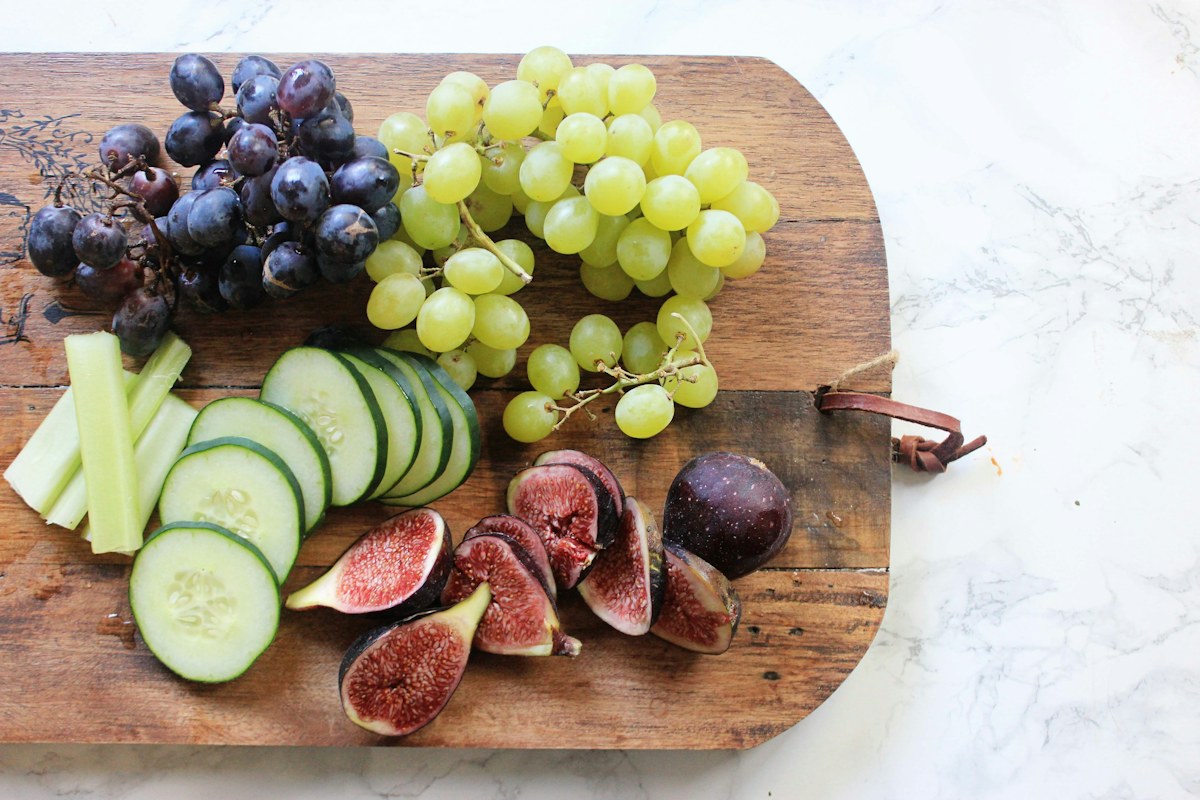
A slim cucumber with a tight center can be sliced straight into a salad. A large cucumber with a soft center may give you better pieces if you scoop away some of the seeds first. Cut the washed cucumber lengthwise and look at the cross section. If the seeds feel small and tender, leave them. If the center spills liquid onto the board as you cut it, lift out the loosest part with a spoon and keep the firm outer flesh.
Taste a thin piece of the peel and a piece of the center. A fine peel can give a pleasant edge, while a thicker one can make a small forkful harder to chew. Remove a few long strips if you want a lighter texture and some color. Peel it fully only if the peel itself is unpleasant. A cucumber that tastes good without dressing will usually need a shorter ingredient list than one whose flavor is very faint.
For two side portions, use one medium cucumber, a tablespoon of rice vinegar or lemon juice, a little mild oil, fine salt, and a small amount of chopped dill, mint, or parsley if you have it. Keep a bowl and a clean towel close. Decide whether the salad will be eaten immediately or needs to wait briefly. The cut and dressing can be slightly different depending on how long it will sit under suitable refrigeration.
Choose a slice that will carry the dressing
For a thin quick salad, set the cut side down and slice across it into half moons. A few millimeters of thickness gives enough surface for dressing while keeping the pieces easy to pick up. If the cucumber was quite firm, slightly thicker slices can be good with a crunchy meal. If you cut almost transparent pieces, they will soften sooner and may collapse around one another once dressed. Use a sharp knife and work from the stable flat side.
For a chunkier version, cut each half into lengthwise strips and then into small pieces. Make the pieces short enough to fit on a fork with the rest of the meal. A large chunk tastes mostly like cucumber in the center, which may be exactly what you want. Small pieces take on seasoning more quickly. Choose the size according to the other things on the plate. A thin slice fits inside a sandwich, while a cube is easier to eat beside a grain or bean.
You can also lightly crush the split cucumber before chopping if you want rough edges that catch more dressing. Place it flat on a stable board and press carefully with a broad utensil. Stop once it cracks in a few places. Separate any large pieces and pat away excess liquid if needed. The rough pieces can take a little more seasoning without tasting like slices floating in it. Begin with an even cut if you are comparing the cucumber itself, then try the rougher version with the same dressing another time.
Salt only as much as the bowl needs
For a salad you will eat right away, toss the sliced cucumber with a little salt and taste one before adding liquid. A cucumber that is already crisp and dry may need no separate draining step. Add part of the dressing and serve within the time appropriate for the rest of the meal. If you leave the salad for a while, salt will encourage water to collect. Keep it chilled and check the liquid before adding more seasoning.
For a cucumber that released a great deal of juice on the board, put the cut pieces in a strainer over a bowl and sprinkle lightly with salt. Leave them only long enough to see a few drops collect, then blot gently. Taste a piece to see how much salt stayed on the surface. There is no need to press until the pieces lose their shape. You are making room for a small amount of dressing, and the crunch is one of the parts you want to keep.
Compare a drained slice with one from the unseasoned end of the cucumber. The drained piece may be slightly softer but easier to dress. The fresh piece may have a clearer snap and more liquid in the middle. Use the version that suits the meal. If the main dish is soft, you might prefer the untreated slices. If the cucumber is going inside bread, a short draining step can help the sandwich hold together.
If you add onion to the salad, slice only a little and taste it with the cucumber before deciding how much to use. A sharp onion can make the cucumber seem very mild. Put a few slices into the dressing first if you want the flavor to spread. Leave the onion in its own corner if you would rather choose which bites have it. Both ways are easier to adjust when the onion is thin enough to eat with one piece of cucumber.
Make the dressing in a spoon-sized trial
Mix a teaspoon of vinegar or juice with about twice as much oil. Add a little salt only if the cucumber needs it. Dip one piece in the mixture and taste. A mild cucumber can take a fairly sharp dressing if you use a small quantity. A very tart dressing can still cover its fresh flavor if it coats every surface heavily. Add a little oil or a drop of water if the acid is all you notice. Taste again on a piece rather than judging a spoonful by itself.
If you like a touch of sweetness, stir a tiny amount of sugar or honey into a sample first. The change should make the acid feel rounder without making the cucumber taste like a sweet dish. A few thin slices of a sweeter vegetable or fruit can serve a similar purpose. Try them together before adding sugar to the whole bowl. For a more savory finish, use a drop of soy sauce in place of some salt and check the label where allergens matter.
Chop the herbs near serving time. Dill can give the cucumber a familiar sharp smell, and mint can make it seem especially cool. Parsley is a quieter addition. Start with a small pinch. A large handful can cover both the peel and the dressing. Toss the pieces with part of the mixture, then add the herbs once you can taste the acid and salt. Leave some dressing behind in case the cucumber releases more water.
Keep the pieces useful when they go into another dish
For a bowl of cooked grains, dress the grain separately and put the cucumber on top. This lets the vegetable keep a distinct texture. A cold cucumber can cool a warm grain quickly, which may be welcome or inconvenient depending on the dish. Serve the ingredients at temperatures that suit the meal and follow safe handling. Taste a complete bite before adding more dressing to the grain. The cucumber may already carry enough.
For a sandwich, drain the cucumber carefully and use only a single layer. Place it against a filling that can hold it, such as a thick spread or a suitable slice of cheese. Keep any very wet dressing to the side. If you have thin slices, overlap them slightly so there is a crisp piece in each bite without making the middle of the bread slippery. A saltier filling may need only plain cucumber rather than the entire salad.
As a side dish, put the cucumber in a shallow bowl and leave any extra liquid behind. The pieces can be cold and the main dish warm. Give the other food room on the plate so its juices do not run into the cucumber before you taste it. A side whose only purpose is to bring freshness and crunch does not need to be complicated. A small spoonful can change the next bite without taking over the whole meal.
A small serving of the salad can also freshen a warm bowl of soup. Set the cucumber in a separate dish and take bites between spoonfuls rather than putting cold slices into the hot broth. This makes it possible to use a sharper dressing without changing the soup. If the two dishes taste much better together than alone, keep the salad plain the next time and let the soup provide the deeper flavor.
Decide how much to prepare again
If the salad went soft while the meal was being set out, cut thicker pieces next time or keep the dressing apart until the last minute. If it stayed hard and tasted undressed, cut a little thinner or try a rougher surface. If it tasted too salty after draining, use less salt at that stage and finish once you know what the dressing needs. The same cucumber can give a different salad with one small change.
Keep a note of the kind you bought and the cut you preferred. A thin English cucumber may not need the same treatment as a larger field cucumber. If you liked its peel, leave it on next time and spend the effort elsewhere. If you want a second lunch, prepare only the amount you are ready to eat and keep the remaining cucumber safely stored. The next serving can be as crisp as the first when the pieces and dressing only meet at the end.